






Alpine Luge enshrined in the International Luge Regulations
New IRO formally establishes the transition from Natural Track Luge to Alpine Luge
The transition from Natural Track Luge to Alpine Luge is now officially enshrined in the revised International Luge Regulations (IRO). The new edition of the IRO entered into force on 1 July 2026.
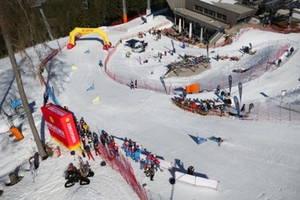
Droneview of the testevent at the Jenner (GER) in 2026
Berchtesgaden, 20 August 2026 – The inclusion of Alpine Luge in the International Luge Regulations marks a major milestone, says Gerhard Mühlbacher, Head of the Alpine Luge Future Workshop. “It is the result of years of hard work. The strategy teams alone spent two years developing the concept, and we must not forget the extensive testing of the Alpine Luge itself, carried out by outstanding athletes such as Evelin Lanthaler, Patrick Pigneter and Michael Scheikl.” With Alpine Luge now incorporated into the IRO, the foundations for official competition have been laid. “We are no longer talking about demonstration events. Before long, there will be World Cup races and World Championships for Alpine Luge on ski slopes. We have now created the framework on which we can continue to build,” Mühlbacher says with confidence.
World Cup debut planned for 2027
Gerald Kammerlander, Head of the Strategy Team for Luge, Sport and Equipment, also highlights the significance of this step.
“An enormous amount of work and passion has gone into this development. Our aim was to create a sled that is closer to commercially available recreational sleds, while still being a dynamic and high-performance piece of racing equipment. The new sled can also be used on both snow and ice. I am convinced that we have chosen the right path with this new sporting equipment.” The new Alpine Luge is expected to make its Fédération Internationale de Luge de Course (FIL) World Cup debut during the 2027/28 season.
New race formats introduced
Alongside the traditional race formats held on iced tracks, two new disciplines have been introduced: Slalom and Parallel Slalom.
These events will be staged on ski slopes, giving organisers the opportunity to host World Cup competitions in venues without a traditional luge track.
“We have not reinvented the wheel. Slalom is exactly what people would expect: gates are set, and athletes must complete the course as quickly as possible without missing a gate,” explains Jerome Almer, Head of the Strategy Team for Race Formats. According to feedback from numerous test events, the Slalom format also appears to offer strong spectator appeal.
Team event reform
In recent years, staging the Team Event had become increasingly difficult due to the lack of participating teams. To ensure the required minimum of five teams, mixed-nationality teams are now permitted, but only for nations unable to field a complete team of their own.
The revised International Luge Regulations are available here.