






Alpini – Service on the Olympic Ice Track
Loyal helpers at the Milan Cortina 2026 Winter Olympics
Cortina d’Ampezzo (FIL/21 Feb 2026) Good preparation is everything. That’s why lugers, as well as bobsleigh and skeleton athletes, have already visited the new Cortina Sliding Centre for Olympic Test Events. After all, they wanted to know exactly what awaits them on the 1,749-meter ice track during the Olympic Winter Games in February 2026.
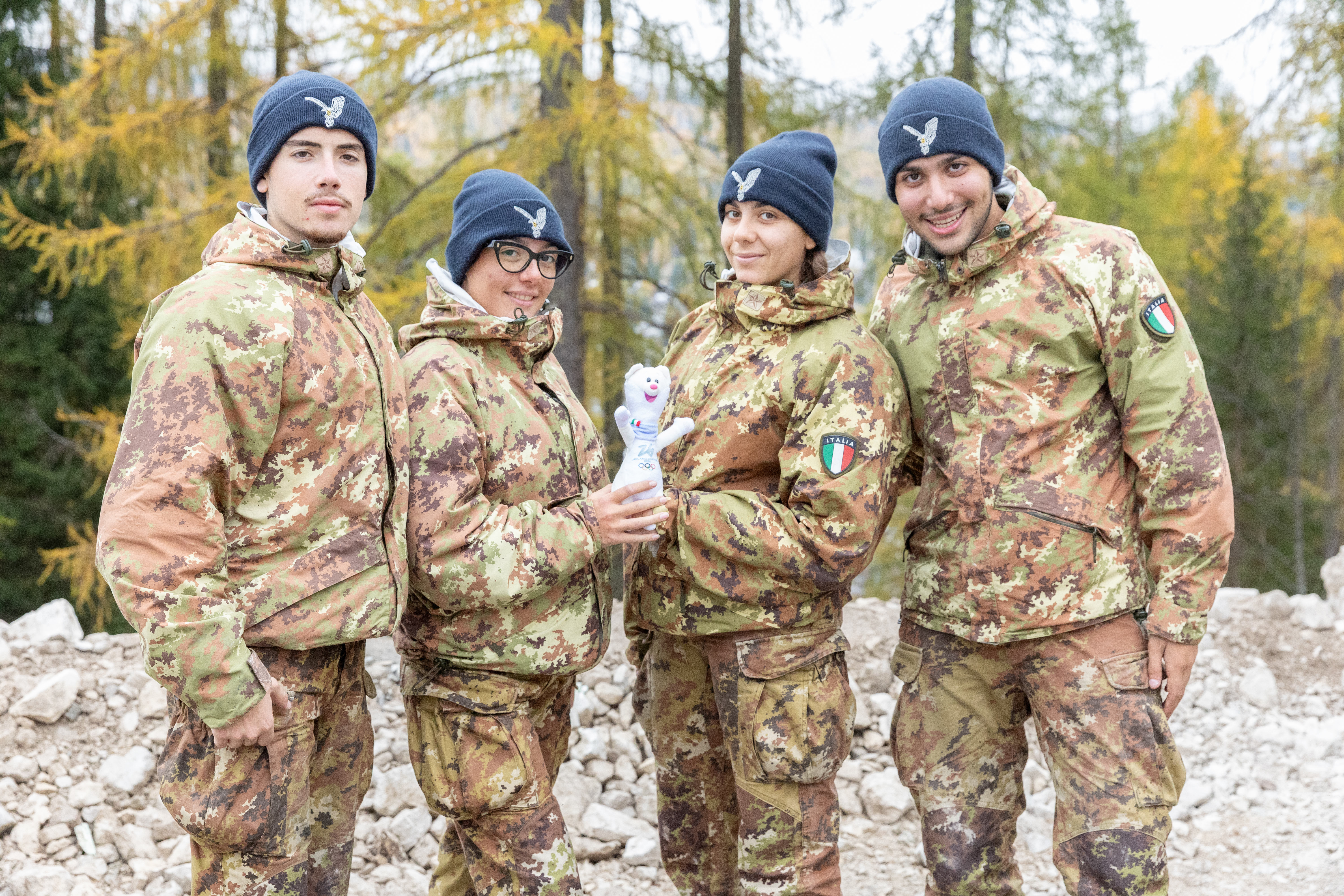
But it is not only the athletes who wanted to familiarize themselves with the conditions and procedures — the volunteers and staff who make the competitions possible also needed to prepare. Among this crew are 30 soldiers of the Italian mountain infantry. Proudly known as the Alpini, they are the oldest mountain infantry unit in the world.
For most members of this unit, this assignment is entirely new territory. “My soldiers and I have absolutely no experience with sled sports,” admits Lieutenant Davide Dallaogo. For this reason, he and his team received a full day of training before the first official practice runs began. “Step by step we learned how these sports work,” says Dallaogo. “With each passing day, we understood it better.”
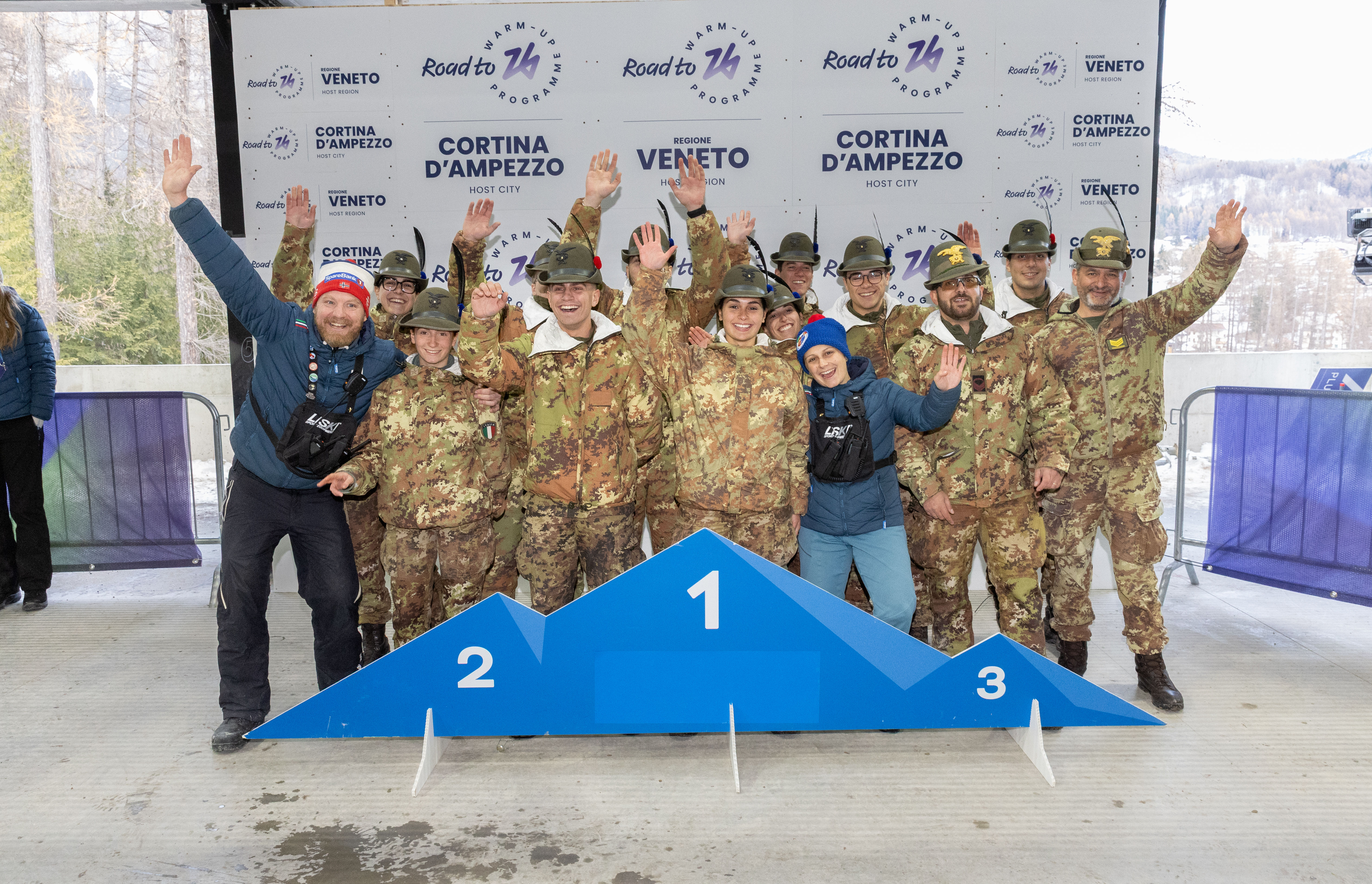
The duties of the “Alpini! include access control to the track, at the start and securing the bobsleighs and luge sleds in the finish area. This also includes their role as so-called ‘catchers’: In the finish zone, the Alpini ensure that the lugers come to a safe stop, bring their sleds to a controlled halt, and that both athletes and equipment leave the ice track without any issues. “However, the most important task is opening and closing the sunshades in the curves,” Dallaogo explains.
The Alpini assigned to work at the Olympic Games do not come from the Alpine regions but primarily from the Apennines in central Italy. “The guys are very young, as they only started their service with the Alpini a few months ago,” says Lieutenant Dallaogo. “So far, they have completed a basic climbing course, and some of them can already ski.” Despite long shifts from 6 a.m. to midnight, their enthusiasm continued to grow — “because every day they understood luge, bobsleigh, and skeleton a little better.”