






American Mark Grimmette knows exactly what Italian disappointments mean
From Olympic crashes to building a new generation: The American luge legend reflects on pressure, experience, and the road to the Winter Olympics 2030

Lake Placid (FIL/02 Apr 2026) Before the start of the Olympic luge competitions, a general sense of nervousness once again set in among the world’s top luge athletes. This was true ahead of Milano Cortina 2026. The brand-new track at the Cortina Sliding Centre was largely unknown beforehand, as only a few test runs took place in October and November 2025.
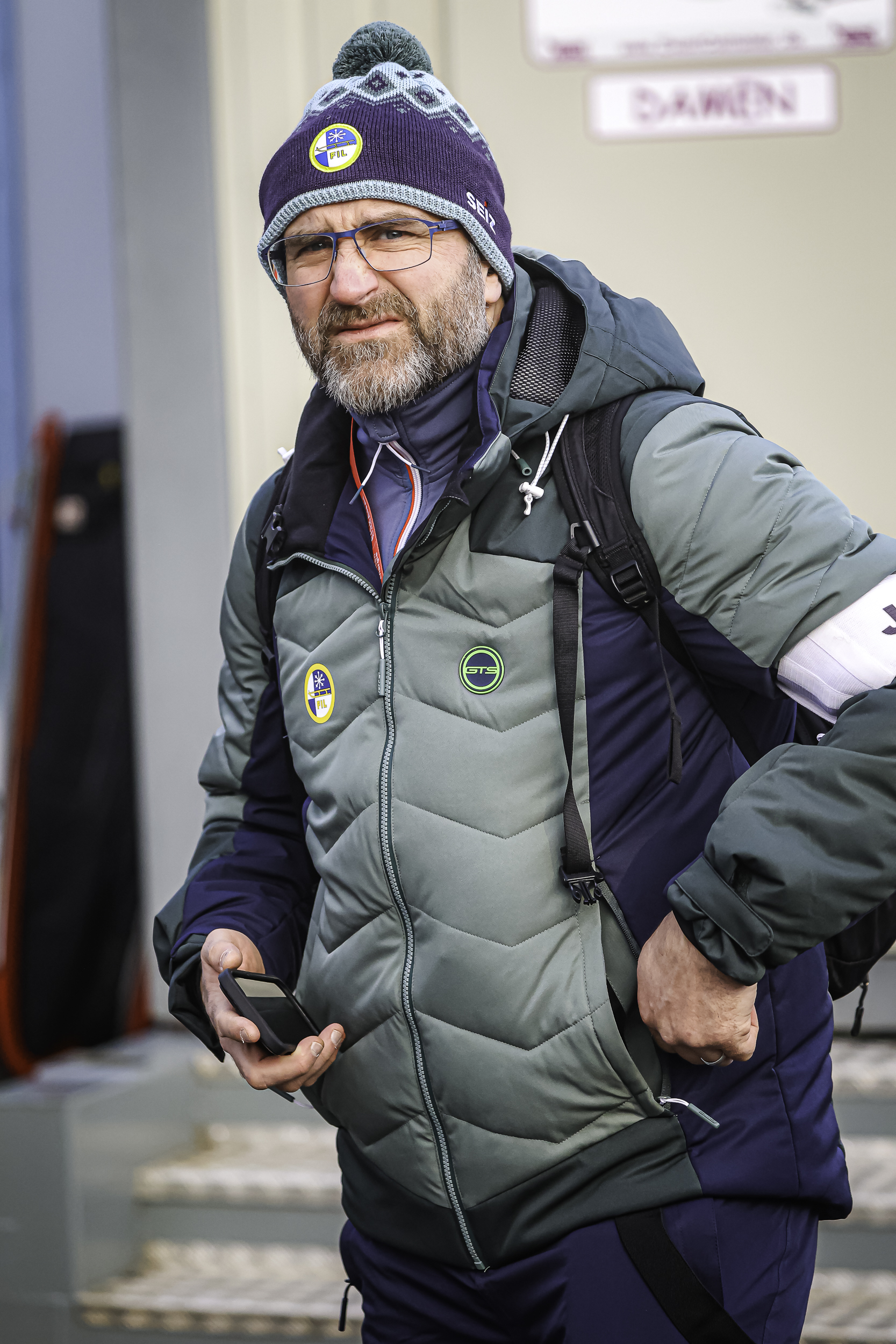
For many athletes, the biggest fear wasn’t the track itself, but the possibility of failure when everything is on the line. Hardly anyone understands this feeling better than Mark Grimmette, one of the pioneers of American luge and now the sports program director at USA Luge.
Grimmette competed in five Winter Olympics, from Lillehammer in 1994 to Vancouver in 2010, winning bronze in Nagano in 1998 and silver in Salt Lake City in 2002 alongside his longtime doubles partner Brian Martin. Their medals helped establish the United States as a serious contender in a sport that had long been dominated by European nations.
But Grimmette’s Olympic journey was not without disappointments—especially in Italy.
A painful memory of Turin
At the 2006 Winter Games in Turin, Grimmette and Martin were among the favorites in the doubles competition. Their medal hopes ended abruptly when they crashed in turn 14 during their first run on the track in Cesana Pariol.
“The hardest part for me was Cesana at the Turin Games,” Grimmette recalls. “There was a combination of turns toward the end that felt like a guessing game—I just had to make sure I got it right. The risk seemed greater there.”
The memory is still vivid two decades later. Cesana, he says, demanded precision in sections where even experienced lugers had to rely on their instincts. It was the kind of track where a small mistake could quickly end the race.
In many ways, Grimmette sees parallels with the new Olympic track in Cortina.
Cortina: unpredictable, but exciting
Unlike traditional World Cup venues such as Oberhof, where athletes have years of experience, the track in Cortina offers only limited preparation time. This uncertainty paved the way for unexpected results. It was sensational that the young Americans Marcus Mueller and Ansel Haugsjaa were leading with a track record at the Cortina Sliding Center halfway through the Olympics. This surprised many luge fans. It was a shame, then, that the two young Americans made crucial mistakes in the second run. Their dream of Olympic medal glory was over. Just as surprisingly, Emmanuel Rieder and Simon Kainzwaldner secured the gold. The two Italians capitalized on their home-track advantage, having completed around 200 more runs on the new ice track.
Grimmette is optimistic: “I think the track is great,” and although his heart goes out to the young U.S. duo, he’s still happy for the local heroes. “Rieder/Kainzwaldner and Vötter/Oberhofer in the women’s division deserved to win the doubles competitions. They were the most consistent of all,” he said after watching the races. “The new track in Cortina has many changes in elevation and gradient. You might go from one steep curve into the next, and then it immediately flattens out. That promises fun and challenging luge racing for the future as well.” In January 2028, the Youth Olympic Games (YOG) will take place on the Olympic track in Cortina.
While the legendary German doubles team of Tobias Wendl and Tobias Arlt continues to lead the all-time rankings with seven Olympic gold medals, one bronze medal from 2026, and ten world championship titles, the United States hopes to challenge the world’s best in the future.
American Challengers
The experienced duo of Zach Di Gregorio and Sean Hollander is considered the more consistent American pair, having consistently finished in the top ten in the World Cup standings. But it was the young duo of Marcus Mueller (20) and Ansel Haugsjaa (21) who surprised many observers at the test event and then thrilled the luge world with a track record in the first run at the 2026 Winter Olympics. The two young Americans have emerged as dark horses for the coming years.
For Grimmette, this depth is an important sign of progress.
“We have three doubles teams, all of whom can race very well,” he says. “This depth—at least two sleds per discipline performing at a high level—makes the entire team stronger.”
Lessons from Olympic Pressure
Grimmette knows better than most that Olympic success often hinges on the smallest details. In Nagano in 1998, he and Martin were widely considered favorites for gold, but after a somewhat bumpy first run, they had to settle for bronze.
“Nerves definitely played a role,” he admits. “The last three turns weren’t smooth, and we lost a lot of speed. With flawless runs, I think we could have been faster than the other teams.”
Four years later in Salt Lake City in 2002, the duo once again came agonizingly close to Olympic gold, but ultimately had to settle for silver on home ice.
These experiences shaped Grimmette’s philosophy about Olympic competition—and about the importance of preparation.
From Athlete to Architect of the Future
Today, Grimmette spends most of his time away from the sled. As USA Luge’s Director of Sports Programs for more than 15 years, he oversees everything from supporting elite athletes to recruiting young talent.
“I have an overview of our programs—from athletes just starting out in the sport all the way to the Olympic Games,” he explains.
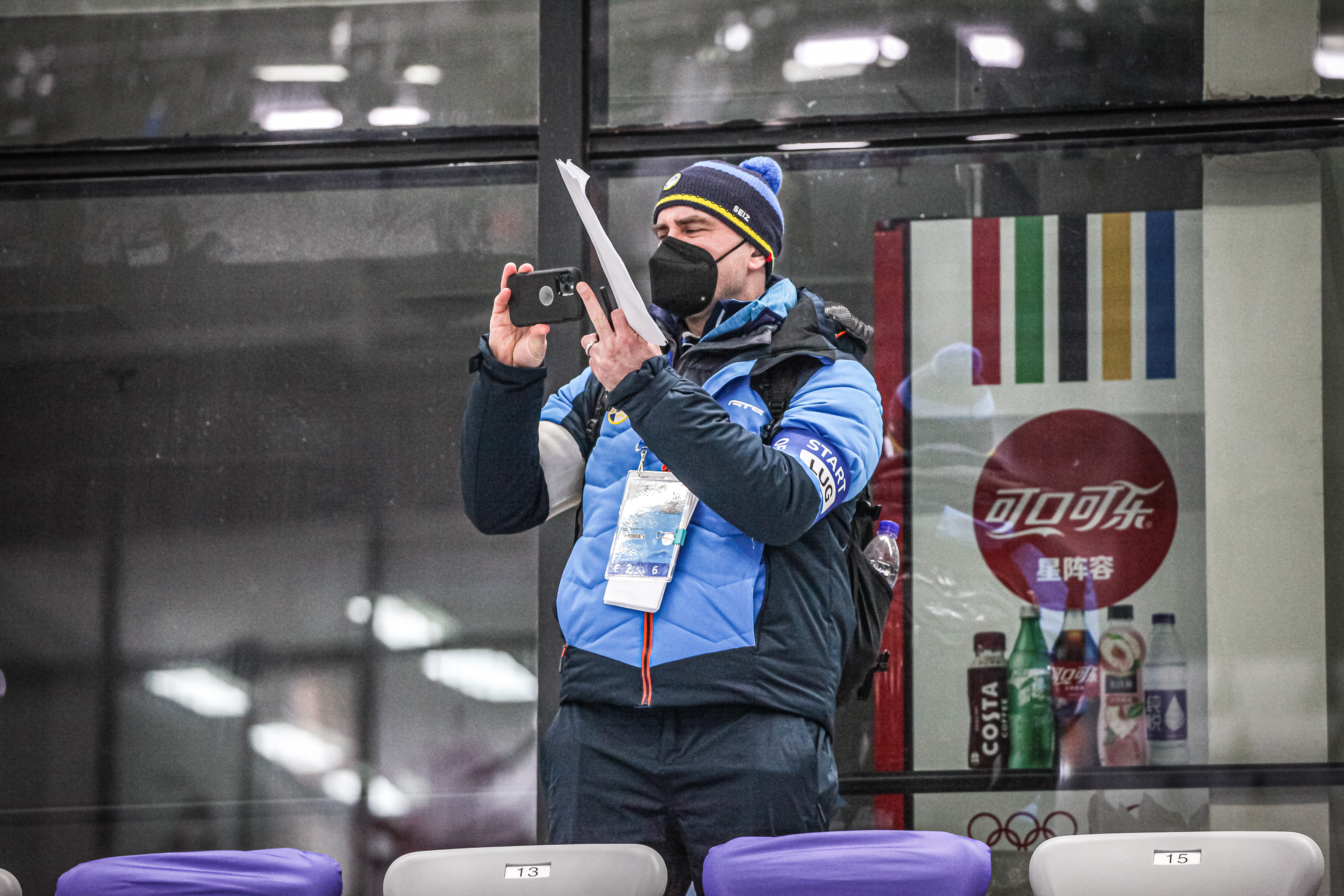
About 70 percent of his work focuses on elite sports, where he collaborates with the U.S. Olympic & Paralympic Committee to support top athletes. The rest is dedicated to ensuring a steady pipeline of future talent.
That pipeline starts much earlier today than it did in Grimmette’s own day. “In the United States, we’re looking for kids aged nine to twelve to try Smart Luge,” he says. “Experience is everything in this sport. The more runs you make and the more situations you encounter, the better you get.”
Ironically, Grimmette discovered the sport himself by chance. He grew up in Muskegon, Michigan, and once crossed the street to watch bulldozers leveling his favorite sledding hill. Workers explained to him that they were building a luge track—and were looking for volunteers to help. “I helped hammer in a few nails,” he laughs. “When it was finished, I tried it out and fell in love with the sport.”
Ready for a historic moment
Mark Grimmette is certain that the current U.S. team is the strongest in the country’s history. “This 2026 Olympic team was better prepared than any other Olympic team we’ve had so far,” he says. “We have many athletes who win medals at World Cup competitions, and great depth in all disciplines.”
Grimmette’s return to Italy inevitably brings back memories of the crash in Turin. But now Grimmette isn’t coming as a medal contender, but as a mentor guiding the next generation. And he’s working hard, along with the entire team, to ensure that a U.S. luger wins the country’s first Olympic gold medal in luge—a moment they’ve been working toward for decades.
“We have a really strong group,” says Grimmette. “In Milan-Cortina, Ashley won a bronze medal in the women’s singles, but more was possible, and so I’m really looking forward to these Winter Olympics in the French Alps in 2030 and then back home in the U.S. with Utah in 2034. Anything is possible for our strong team.”
Photos: USA Luge/Nancie Battaglia 2009, FIL/Dietmar Reker, and FIL/Mareks Galinovskis
Relive the emotional Olympic moment in this Team USA video: https://www.facebook.com/watch/?v=10153392972502686