






An Olympic Champion Who Knows No Rest
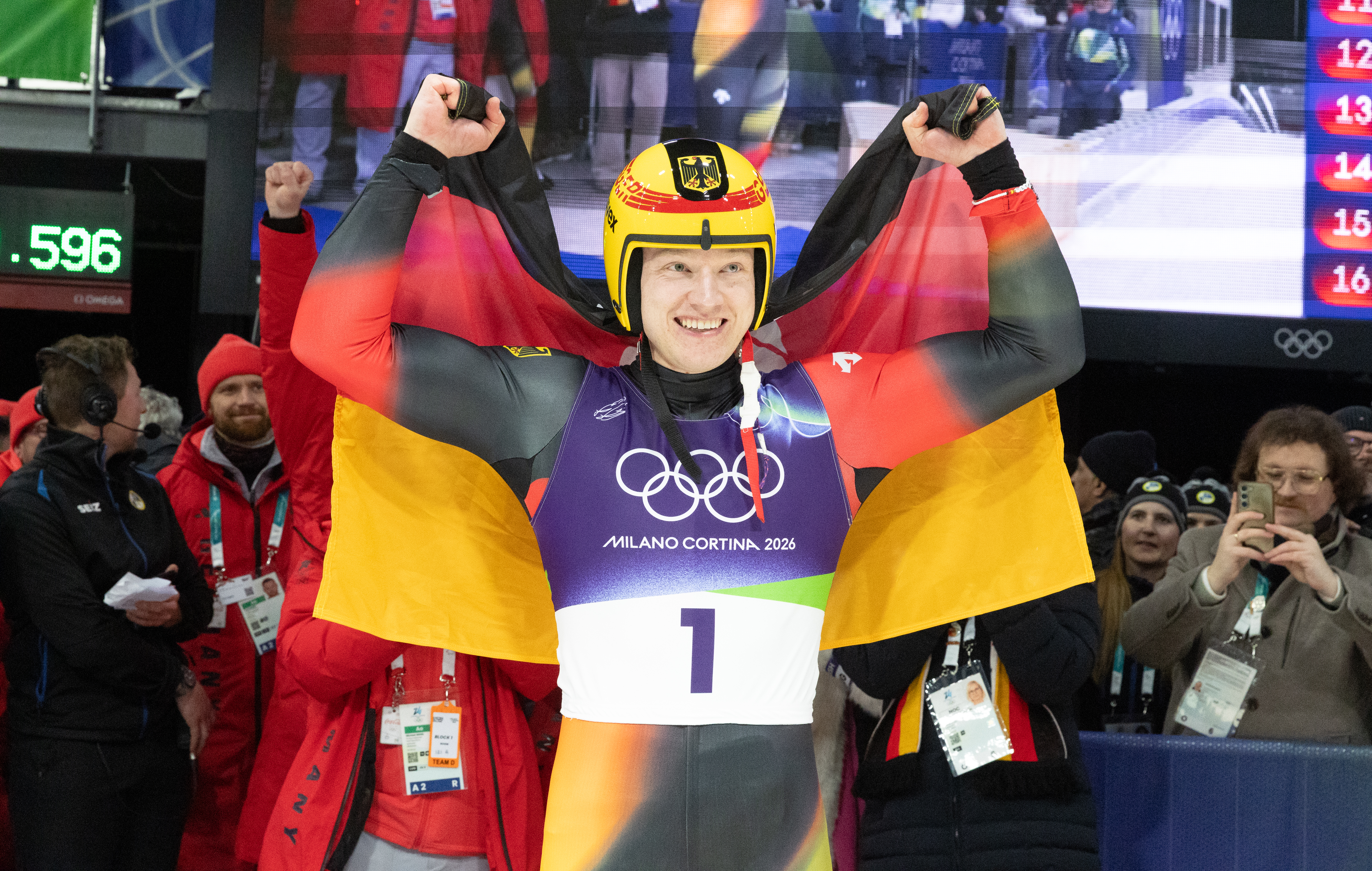
On 8 February 2026, shortly after 6 p.m. on the luge track in Cortina d'Ampezzo, Max Langenhan stretched out his arms and wept. Four runs, four track records, half a second's lead – an eternity in luge terms – over the runner-up. He was Olympic champion, and it was Germany's first gold medal at these Games. "I have achieved everything I wanted to achieve at the age of 26," he says today. "And in the year 2026. It was somehow meant to be." Words that sound like a conclusion – and yet are anything but.
The Man Who Needs Goals
After Cortina, Langenhan thought about quitting. He says so openly, and he thinks back to how extraordinary it felt to triumph there, in front of his family and friends, his sponsors and supporters, all those who have accompanied him throughout his outstanding luge career. Quit while you are ahead, as they say – and Langenhan wanted to walk away. It was his advisors and mentors who talked him out of the idea and convinced him – not pressured him – to carry on. "I am someone who works towards goals and needs goals," he says. "Are there no more goals after an Olympic gold?" he asks – but it is a rhetorical question, and he answers it himself straight away: "You can always find new goals." There is no sentimentality in his voice, no routine. This is an athlete who knows exactly how he works.
Langenhan has already found his new goals. The World Championships in February 2027 in Innsbruck-Igls are right at the top of the list. "In Innsbruck I am still looking for the perfect run," he says. "On every other track I feel very comfortable." On one of the most historic luge venues in the world, in Tyrol, where the sport made its Olympic debut in 1964, the six-time world champion still has unfinished business. If that is not a goal, what is? "I hope Innsbruck-Igls will be a magnificent celebration," he says, adding with conviction: "The Austrians will certainly put on a gigantic event."
What Makes Cortina So Special
Before looking forward, it is worth a glance sideways – to the mountains around Cortina. When Max Langenhan talks about these Olympic Games, he does not start with the four track records or the gold medal. He talks about the place. "From the homologation runs onwards I had a very good feeling there," he says. "The people are so friendly and welcoming and engaged. They put so much together in such a short time. And then the track sits perfectly embedded between the mountains. The food, the place – everything is almost perfect there." He is looking forward to the World Cup in Cortina in February 2027. "It is simply great that we are back there so soon – and hopefully every year from now on."
The Man in the Background
Olympic titles are not won alone. One of the most important people in Langenhan's sporting life is Robert Eschrich – sled builder and technician for the German national team, born in Suhl, a former luger and bobsledder himself. In summer, that means training and sled building for Langenhan. "Robert is the person to talk to when it comes to equipment – there are so many new requirements from the regulations that need to be integrated. He does a huge amount, but we are in constant dialogue," says Langenhan. Speed is not only created on the ice. It is created in conversation, in the workshop, in the details. Eschrich's sleds are not only driven by Langenhan – Julia Taubitz also trusts his craftsmanship, and Swiss athlete Natalie Maag once said: "Without this partnership I would not be where I am today."
The 50th World Cup – A Celebration That Lasts Months
The coming winter has a special character: it is the 50th season of the FIL World Cup. Racing will take place in Cortina and Königssee, while Innsbruck hosts the World Championships – three iconic venues that give this anniversary winter a historic dimension. "These are races I am particularly looking forward to," says Langenhan.
What comes after sport, when the Olympic champion from Cortina one day does finally say goodbye? Many doors are open, nothing is decided – and he does not want to say any more about it. "But there will be no shortage of goals then either."
That much was never in doubt.