






Focus on Cortina: Olympic stage for Luge in Cortina d’Ampezzo
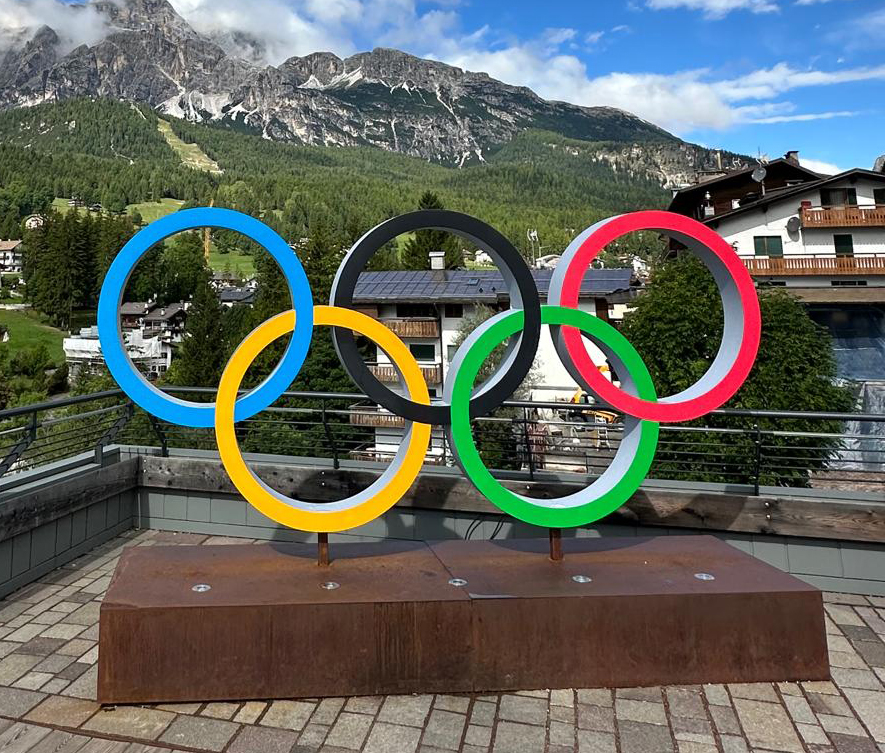
Cortina (FIL/30 Jan 2026) From February 6 to 22, 2026, the world of winter sports will be looking to northern Italy: at the Milano Cortina 2026 Winter Olympics, around 3,500 athletes from around 90 nations will compete for Olympic medals in 116 competitions. Cortina d'Ampezzo will be the center of attention for luge. In this traditional Dolomite town, the Olympic ice track heritage will return to the big stage with high-caliber competitions in luge, bobsleigh, and skeleton. While the Games will be spread across numerous venues throughout northern Italy for the first time, Cortina will once again be the heart of ice track sports and one of the most symbolic venues of the 2026 Winter Olympics.
There will be seven more competitions at the 2026 Winter Olympics than in Beijing in 2022. Ski mountaineering will celebrate its Olympic debut, including sprint competitions for women and men as well as a mixed race. In addition, new decisions such as women's doubles in luge, the large hill competition in women's ski jumping, and the mixed team competition in skeleton will expand the program.
In luge, 106 starting places will be awarded: 25 women and 25 men in singles, 11 women's doubles, and 17 men's doubles.
Olympic Luge: Medal table since 1964
The Olympic medal table for luge since its debut in 1964 up to the 2022 Games shows a clear historical dominance by Germany. If you add up the successes of the unified German team (GER) and the former German teams (GDR and FRG), Germany is by far the most successful nation in Olympic luge. Germany leads with 87 medals (38 gold, 26 silver and 23 bronze), followed by Italy with 18 (7 gold, 4 silver and 7 bronze) and Austria with 25 (6 gold, 10 silver and 9 bronze).
The home nation Italy is on second place ahead of Austria, which have consistently won medals in all disciplines – women's, men's, doubles, and team relay – over the decades. Other podium places went to athletes from the former Soviet Union, the United States, Latvia, and Canada, mostly thanks to individual exceptional athletes or strong generations. Overall, the medal table underscores the outstanding position of the traditional luge nations, especially Germany, which has had a lasting impact on Olympic luge for more than five decades.
Men's singles: Legends on runners: Men's singles as the Olympic premier class
Since the premiere of luge at the 1964 Winter Olympics, the men's singles has been one of the most traditional disciplines – and to this day is characterized by the extraordinary consistency of individual athletes and nations. The most successful luger in Olympic history is Georg Hackl (FRG/GER) with a total of five medals, including three gold and two silver. “Hackl Schorsch” set standards across three Olympic Games and is considered one of the most influential figures in the sport.
Armin Zöggeler (ITA) follows in second place in the all-time rankings. The South Tyrolean won a total of six medals (two gold, one silver, three bronze) in six Olympic appearances, making him one of the most consistent Olympians in winter sports history. His successes made the men's singles one of the most popular disciplines in Italy.
Felix Loch (GER) is also a two-time Olympic champion, winning two gold medals and joining the ranks of the greats at an early age. Other Olympic champions in the men's singles are Paul Hildgartner (ITA), Thomas Köhler (GDR), Johannes Ludwig (GER), Jens Müller (GDR/GER) and David Gleirscher (AUT), each of whom won one gold medal.
Numerous athletes without Olympic victories have also won multiple medals. Particularly noteworthy are Markus Prock (AUT) with two silver and one bronze medal, and Albert Demtschenko (RUS) with two silver medals. In addition, there are many names with individual silver or bronze medals, including lugers from Germany, Austria, Italy, the USA, Latvia, and the former Soviet Union.
The Olympic statistics in the Men's singles underscore the long-standing dominance of Germany (including FRG and GDR), complemented by strong generations from Italy and Austria, as well as individual exceptional athletes from other nations. Over decades, the men's singles has proven to be a discipline in which experience, technique, and consistency at the Olympic level are the deciding factors.
Olympic discipline since: 1964
Most successful athlete: Georg Hackl (GER) → 3× gold, 2× silver
Most medals overall: Armin Zöggeler (ITA) → 6 medals (2× gold, 1× silver, 3× bronze)
Active multiple Olympic champions: Felix Loch (GER) – 2× gold in men’s singles
Most successful nation: Germany
Other gold medal nations: ITA, AUT
Olympic success story in women's singles: German dominance since 1964
Since the introduction of the women's singles at the 1964 Winter Olympics, this discipline has been clearly dominated by athletes from German-speaking countries. The most successful luger in Olympic history is Natalie Geisenberger (GER) with a total of four Olympic medals in women’s singles, including three gold medals and one bronze medal. This makes her the most successful athlete in women's singles at the Olympic Games.
Steffi Martin-Walter (GDR) and Sylke Otto (GER) also won multiple Olympic gold medals, each winning two gold medals in the singles. Both had a significant impact on their eras and remain in the history books of luge to this day.
With one gold, one silver, and one bronze medal each, Tatjana Hüfner (GER) and Silke Kraushaar (GER) are among the most consistent Olympic competitors of their time.
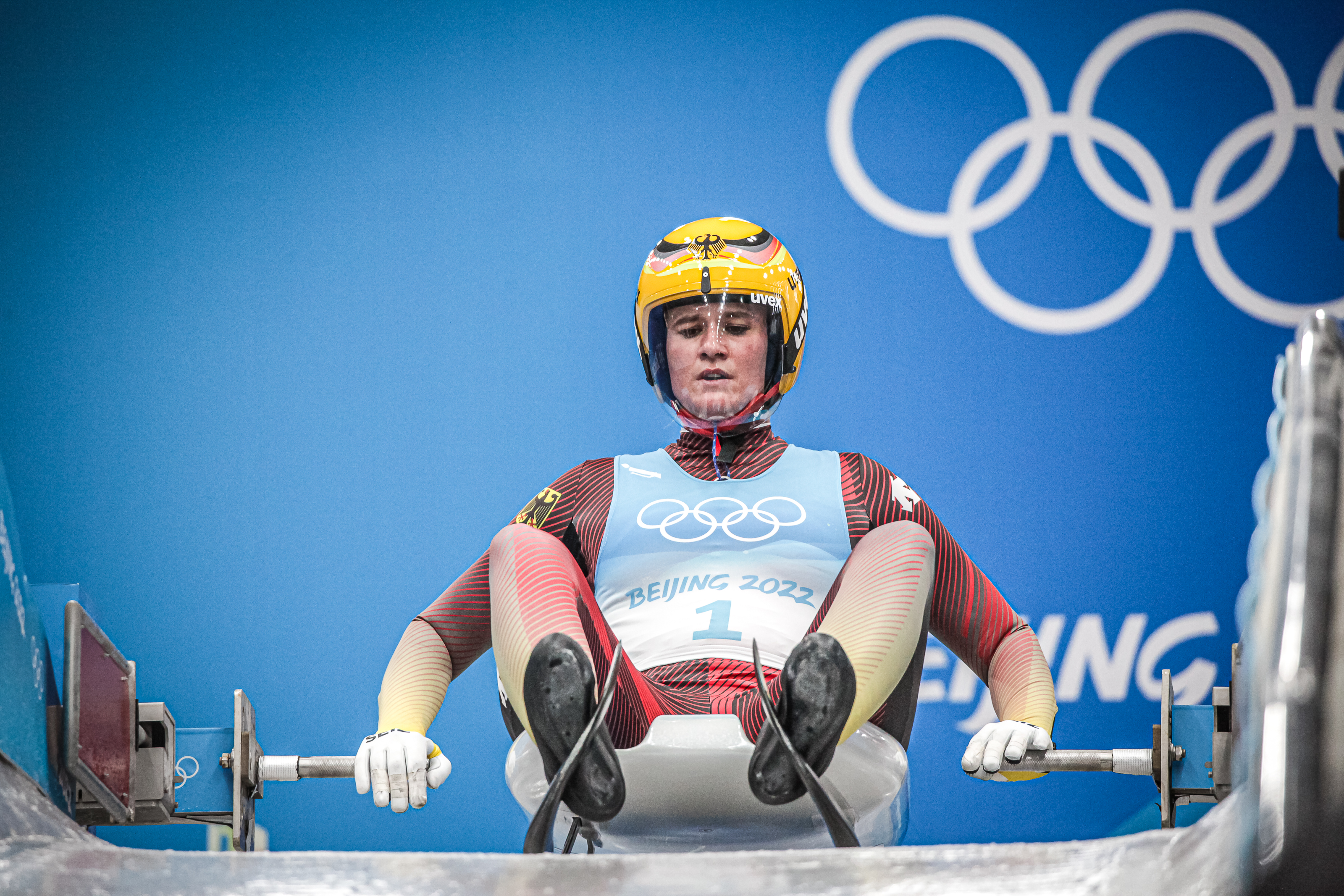
Other Olympic champions in the women's singles include Ortrun Enderlein (GDR), Erika Lechner (ITA), Doris Neuner (AUT), Vera Zozulia (URS), and Gerda Weissensteiner (ITA), who each won one gold medal.
Even athletes without Olympic victories have made it onto the podium several times. Barbara Niedernhuber (GER) and Ute Rührold (GDR) each won two silver medals, while numerous other lugers have won at least one silver or bronze medal in the singles.
Overall, the Olympic statistics in the women's singles show the long-standing dominance of Germany (including the former GDR), supplemented by strong individual performances from Austria, Italy, the Soviet Union or the ROC, the USA, and Canada. The discipline is thus one of the most traditional and successful competitions in Olympic luge.
Olympic discipline since: 1964
Most successful athlete: Natalie Geisenberger (GER)
→ 3× gold, 1× bronze
Other multiple Olympic champions:
→ Steffi Martin-Walter (GDR), Sylke Otto (GER) – 2× gold each
Most successful nation: Germany (including GDR/FRG)
Olympic victories also for: ITA, AUT, URS
Men's doubles: Perfect synchronisation and team discipline of the champions
- till Beijing 2022 the Doubles discipline was an open category for Men and Women
Since the Olympic premiere of luge in 1964, the Men's doubles has been considered the epitome of precision, synchronisation and trust – and at the same time, it is a discipline that has been clearly dominated by a few nations for decades. The most successful doubles team in Olympic history is the German duo of Tobias Wendl and Tobias Arlt. The two have won three Olympic gold medals in doubles, making them the only doubles team to have won three times at the Winter Olympics.
Jan Behrendt / Stefan Krausse (GDR/GER) are also among the defining personalities of the discipline. The German duo won two gold, one silver, and one bronze medal and were among the world's best for several Olympic cycles. Another successful era was marked by the Austrians Andreas Linger and Wolfgang Linger, who together won two gold and one silver medal and had a lasting impact on the men's doubles.
Hans Rinn and Norbert Hahn are also two-time Olympic champions. Competing for the GDR, they also secured a place in Olympic history with two gold medals. Other Olympic victories in the men's doubles went to athletes from Germany, Italy, and Austria, among others, underscoring the decades-long dominance of these nations.
In addition to the Olympic champions, there are numerous doubles with silver and bronze medals, including teams from Latvia, the USA, the former Soviet Union, and other European nations. These results show the increasing international competitiveness without detracting from the clear supremacy of the traditional luge nations.
Overall, the Olympic statistics in the men's doubles highlight the outstanding role of Germany (including FRG and GDR), complemented by strong generations from Austria and Italy. Hardly any other discipline stands for continuity, teamwork, and technical perfection as much as this one - qualities that make the men's doubles the premier Olympic class in luge to this day.
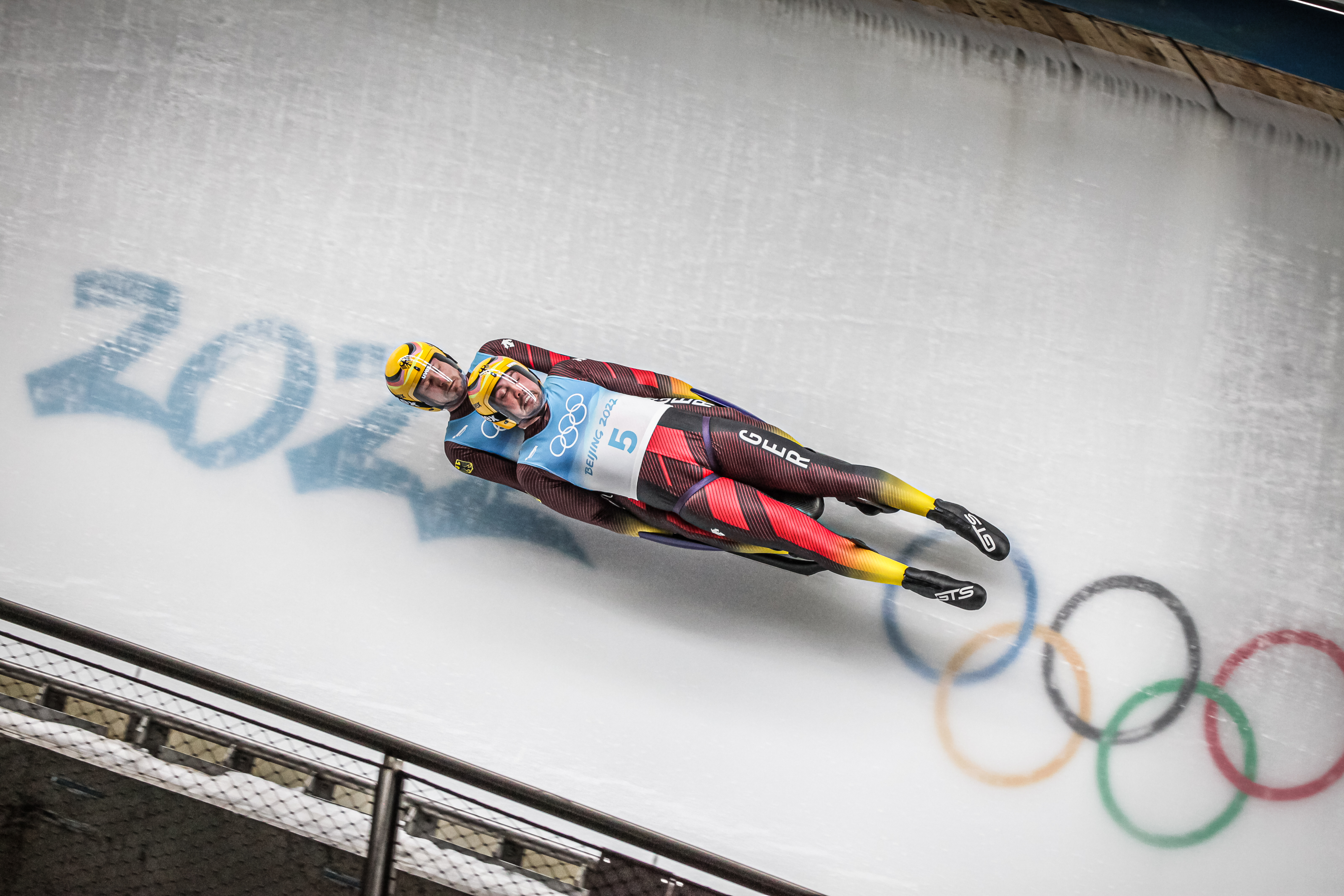
Olympic discipline since: 1964
Most successful doubles team:
Tobias Wendl / Tobias Arlt (GER) → 3× gold
Most successful duo in history (medals):
Stefan Krausse / Jan Behrendt (GER) – 2× gold, 1× silver, 1× bronze
Other influential nations: Austria, Italy
Most successful nation overall: Germany
Olympic debut for women's doubles in 2026
A milestone for luge: Women's doubles will be contested as an Olympic discipline for the first time at the 2026 Winter Olympics in Milano Cortina. The introduction of this discipline strengthens gender parity and expands the team relay. Women's doubles was already part of the program at the Lausanne 2020 Youth Olympic Games. The Olympic doubles competitions in Cortina d'Ampezzo will take place on February 11, 2026, for both women and men.
Quotes on the Olympic premiere of the women's doubles:
Dajana Eitberger (GER): “I am really looking forward to competing in the women's doubles at the Milano Cortina 2026 Olympic Games. It is the first time that the women's doubles will be part of the Olympic program, and we are part of the history that will be written in Cortina on February 11.”

Selina Egle (AUT): “We are very much looking forward to all the athletes coming together for the Olympic Games in Cortina. It will be our first time participating in the Olympics and we are very excited about this special experience, where we will be able to take part and make history with a great new luge discipline, the women's doubles.”
Lara Kipp (AUT): "The Olympic Games are something very special for us. We only competed in the 2020 Youth Olympic Games, but in the end we couldn't start due to injury. After that, we thought our childhood dream had been shattered, until the women's doubles was added to the program for Milano Cortina 2026. That was a very happy moment for us. I'm really looking forward to our first Olympic Games.“
Chevonne Forgan (USA): ”Italy will be the first time the Olympic Games will feature women's doubles, and we are so excited that it has been included as an Olympic discipline. I'm just really looking forward to competing on the Olympic stage."
Sophia Kirkby (USA): “I am very happy that the IOC has taken a step towards gender equality at the Olympic Games.”
Olympic Luge Review Beijing 2022: Germany most successful Olympic nation
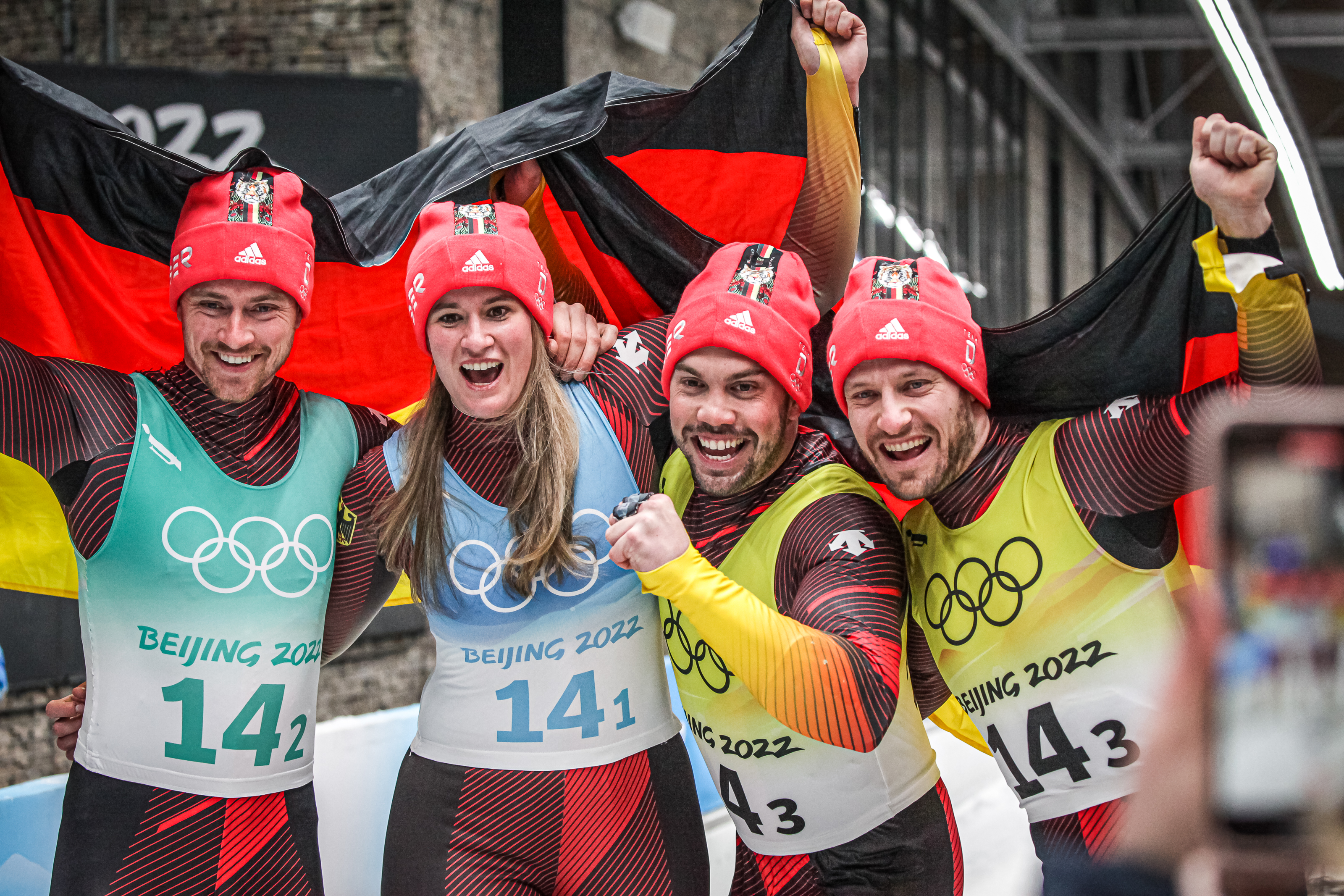
Team Germany set the standard at the 2022 Olympic Games in Beijing (CHN). With four gold medals and two silver medals in four disciplines (women's and men's singles, doubles, and team relay), the German lugers were the most successful nation and achieved their best Olympic result ever.
In the women's event, Natalie Geisenberger won for the third time in a row, ahead of Anna Berreiter (both GER) and Tatjana Ivanova (RUS). In the men's event, Johannes Ludwig (GER) won the gold medal this time, ahead of Wolfgang Kindl (AUT) and Dominik Fischnaller (ITA), after winning Olympic bronze in Pyeongchang in 2018. In the doubles (at that time still an open category for women and men), the title also went to the Germans Tobias Wendl/Tobias Arlt for the third time in a row, ahead of their teammates Toni Eggert/Sascha Benecken and Thomas Steu/Lorenz Koller (AUT). In the team relay, Germany triumphed again ahead of Austria and Latvia.
General Athletes’ comments ahead of Milano Cortina 2026:
Jonas Müller (AUT): “We're going to St. Moritz for a few days of training. Then I'll be more than ready for the Olympics.”
Felix Loch (GER): “I'm extremely happy with the equipment as it is. The tracks will probably be different from the ones we had in Oberhof. I'm going to train again, put my feet up at home for a bit, and then we'll travel to Cortina.”
Max Langenhan (GER): “You can put your feet up after the Olympics. Right now, it's time to push through—to race and train.”
Julia Taubitz (GER): “We'll continue training for now, we still have a few tests ahead of us because I want to have peace and quiet in Cortina and decide on my equipment beforehand. I'll train for four more days, then I'll actually spend four days just relaxing – family, friends, beauty treatments. Just girly stuff. Then I'll look forward to the trip.”
"I really like the track in Cortina. It's very sensitive, was still a bit slow during the training week and could be a bit faster. It's very flat. Turn four is a crucial point for us, where you have to hit it just right. The curve rhythm is very nice, and since the ice construction was already very good, there were hardly any bumps. We always compare it a bit to a bathtub. If you have a good rhythm, you can let the sled dance down the track. Then it's really fun. I often arrived at the finish line with a smile on my face."
Merle Fräbel (GER): "At first glance, I liked the track, but then I didn't like it so much. Turn four gave me trouble at the beginning, and the first few runs were a bit bumpy. But then I got the hang of it relatively quickly. We didn't have such a fast track at the beginning – that's always good for the start, because you think: ‘Okay, now we can go faster.’ Our last two sessions, the two qualifying races at the end, were really fast. We had good conditions, which of course makes it fun. That's when you feel the pressure – you have to steer, and that's something we're good at in Germany. We have a lot of tracks where you have to steer properly."
Lisa Schulte (AUT): "First, we're going to Vienna for the Olympic clothing fitting, which I'm really looking forward to. After that, we'll head to St. Moritz for the final Olympic preparations with the team.
As far as the Cortina Sliding Center is concerned, the test event in November confirmed what had already been shown during the pre-homologation in March 2025: even if it doesn't feel very fast and you hardly get any feedback from the sled, it's basically a cool track. The upper section is rather flat, but it does have some technical difficulties, such as the exit from curve four. From curve nine onwards, the gradient increases the speed, and you can really let the sled run well, especially in the large and long curves in the lower section of the track. The exit from curve eleven marks the first low point of the track, followed by a short flat section and then the first of two uphill passages with the chicane in 12/13."
Hannah Prock (AUT): "The curve profiles of the Olympic track in Cortina remind me of the Asian tracks in some ways, with their long entrances and exits. Apart from curve four, the technical challenges are manageable. However, what you lose at the top is difficult to make up at the bottom, as the track goes uphill again from transition 14-15. I think you can work your way up this track very well; I like it.“
Trinity Ellis (CAN): "Two time Olympian is surreal for me. A dream came true. I am really excited to go with this team. It's obviosly a completly new group of athletes than last time im Beijing 2022. We are a super small team and really a bit of family to each other. I am trying to share the experience that I have, but I also know that this Games are going to be so different. Having friends and family there, I am so excited for that this time.”
"The track in Cortina is definitely a fun track. It's quite unique. There is not really another track in the world you could compare with the Olympic track for Milano Cortina 2026. There is not any super technical element but at the same time it provides a lot of challenges. There are sections that are really challenging. But I like it there. It's pretty fun. I was super impressed in March 2025 during the pre-homologation of the track, how fast they have built it and the progress that they have been able to make last summer. I am excited to see what it looks like when we go back now for the Olympics. And I am really glad, we have a track there. It's so beautiful in Cortina. That really helps, for sure."
Tobias Arlt (GER): ”First, we're going home. We spent twelve days in Oberhof, so now we need to wind down, relax, and let our bodies recover. After that, we'll do a little preparation — short and sweet."
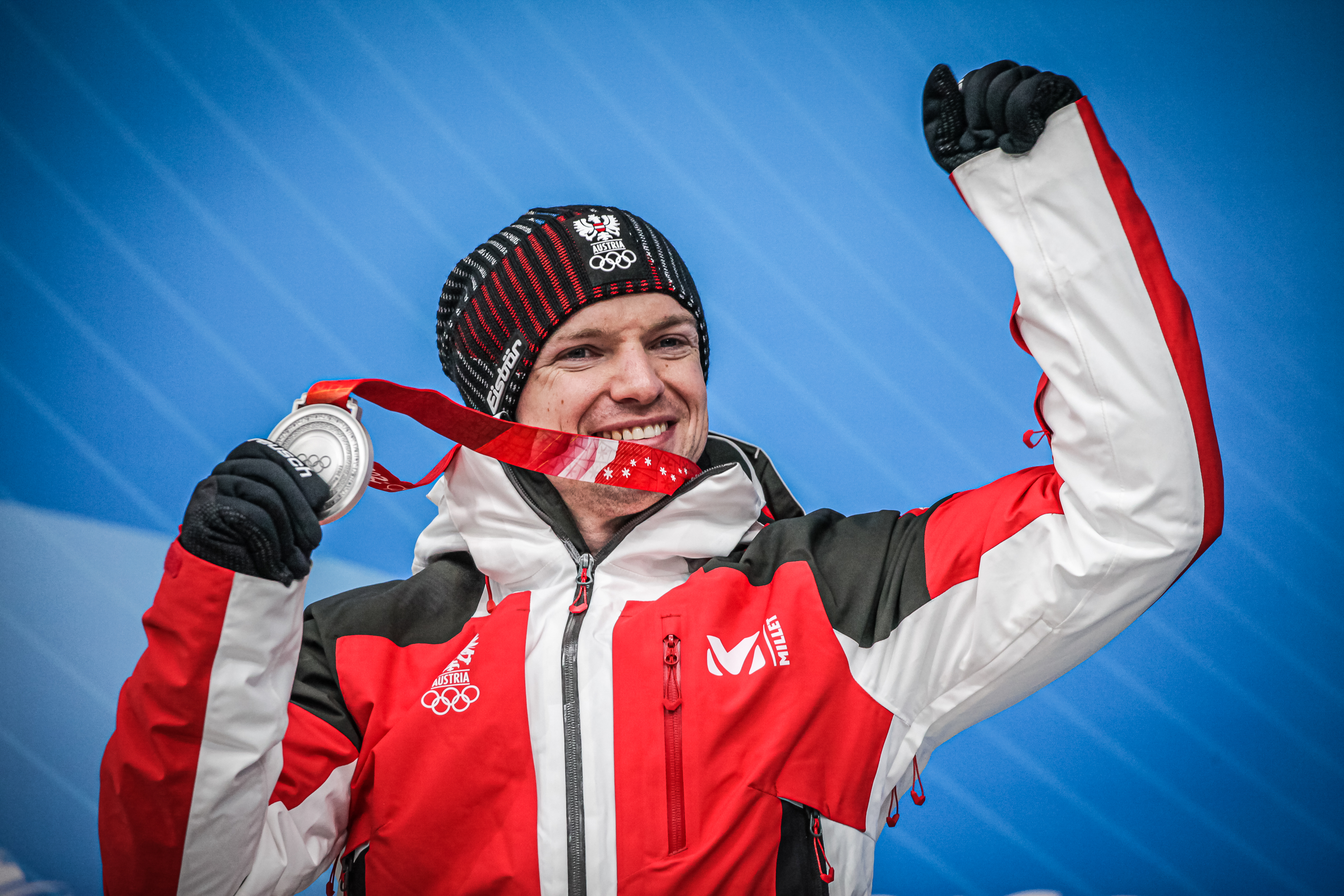
Wolfgang Kindl (AUT): "After the first test runs, everyone said that Cortina was a very easy track, but personally I think it has its pitfalls. The upper section in particular is technically demanding, and you have to get the line right in the first few turns. In the lower section, you can pick up more speed. Here, you have to stretch out properly and your aerodynamics have to be spot on. The conditions in autumn don't allow for particularly fast runs, but I'm confident and hopeful that it will be even faster when we return to Cortina for the Olympic Games in February.“
Martins Bots (LAT): "We are very happy about our podium in the Mixed Event at the last World Cup in Oberhof and to go to the Olympics with this accomplishment.
After the World Cup in Oberhof, we returned to Latvia to prepare for the Winter Olympics in Cortina. There is still a lot to do. Until the last day, we will prepare ourselves athletically, train our sliding technique, and work on our sled. We will arrive in Cortina on February 1st.”
Roberts Plume (LAT): “We have a kind of love-hate relationship with the track in Cortina because when we race well, it's not fast enough. But overall, it feels good and I love these new tracks. They are new, modern, and it's nice to be there. Everything is made for the athletes. The place, the town is great. The food is very good, of course.
When we were at the pre-homologation, we talked to our teammates. The track is similar to those in Pyeongchang and Beijing. At least that's how it seemed to us. But at the same time, it's also completely different because it's a new track, a new rhythm, a new speed, a new pressure. Everything is completely different. I think every track is unique.
The fact that the base of the track is a traditional track is a cool factor. I haven't researched the old track, but we all know that it's quite similar. When we were there, we saw the curves of the old track, and they are scary. They are scarier than the current track. In addition, the sleds are more comfortable and, I think, safer than they were back then. Back then, it was just a bumpy ride.
The goal for the Winter Olympics is to win! Second and third don't really count anymore. There's only one goal: I want to win!
When we went to our first Olympics in Beijing, we didn't want anything. We just wanted to be there. It went pretty well. Now we've worked really hard for our goal. We have more experience. I think we're in a good position to achieve it. It's a lot of work for us, it's a lot of work for our coaches. But I think we can win."
Devin Wardrope (CAN): "It was really close for us to qualify for the Beijing 2022 Olympics, but we did not make it and now we go to Milano Cortina 2026. This has been my toughest year in sport. I am just coming back from a serious shoulder injury. Looking back one or two months from now, I did not know, if I was going to be standing here. Being able to work with all of our amazing support team (physios, trainers and coaches) to make a solide plan to get back on the sled and get my shoulder stronger. It's just been such a rollercoaster of emotions, but I am so happy and grateful that we could compete at the Olympic Winter Games in Milan Cortina 2026."
Andrea Vötter (ITA): “Cortina is my new favorite track. If you don't have enough momentum in the uphill sections, you can lose a lot of time. The track in Italy is important for our sport.
Of course, there is more pressure at the Olympic Games at home, but that's also a good thing. We will give 100 percent so that we have nothing to reproach ourselves for. Our goal is a medal.”
Marion Oberhofer (ITA): “I also really like the track. It starts well right from the start, and with the big curves, you have to steer a lot yourself. It's not just a gliding track. That makes it very interesting.”
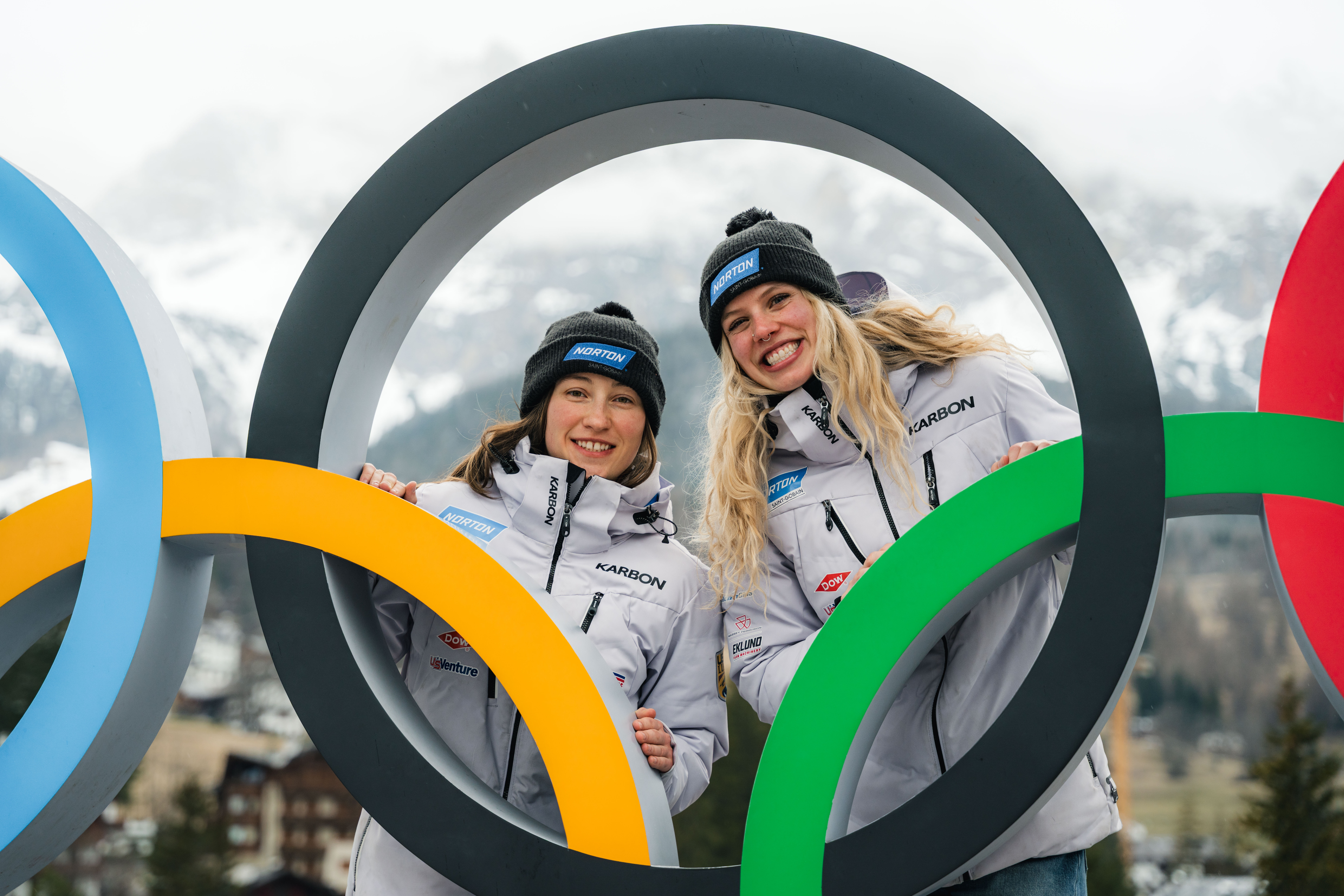
Chevonne Forgan (USA): “I really like the track in Cortina. It's very unique because all the curves are so long and it has so many uphill sections, especially at the end of the track. It feels very smooth and flowy. I have a lot of fun.
Actually, it's impossible to find a track similar to the one in Cortina. When we were there for the first time, we walked it several times. We tried to compare it to other tracks. Some passages remind me of Park City, which has a similar flow and feeling. Some parts are similar to Pyeongchang. I think it was the same architect. You can see some similarities, but the feeling is different. In the end, Cortina is unique.”
Sophia Kirkby (USA): “It's fun to experience a brand new track. It's very interesting to learn new sections and dynamics. The track frequently changes between downhill and uphill. When you go uphill, I feel like my head is being pulled down. I don't know of any track with so many uphill sections.
Beattie Podulsky (CAN): "Women's doubles is an incredibly exciting new Olympic discipline. Kailey and I are a perfect team. It's very important to me to have fun during our daily training sessions. I find that our lifestyle can be very stressful and exhausting. When you're on the road a lot and separated from your loved ones at home for long periods of time, it can be very stressful, and I think you just need someone to lift your spirits. It's always good to laugh together every now and then."
Kailey Allan (CAN): "I have been at the Youth Olympic Games in Lausanne 2020 and I think, it is definitely a useful tool to look back on and gain experience on stresses and just all the distractions you can also have. Try to minimize some of those before competition, and really ramp up the family celebrating afterwards. I think, it will be a lot like Lausanne 2020, because we have been in St. Moritz with just the sliding sports and some speed skaters. So we will have just the sliding sports, some skiers and a couple of curlers this time. It will be another small bubble but it will be a lot of fun to get to know everybody again.
Cortina is simply gorges, the mountain scenery there is fantastic, and I think it's good that everyone started from scratch there to learn the track. Of course, Team Italy has a certain home advantage because they have more runs than everyone else, but everyone else hasn't been there often and had to learn everything in just a few runs."
Patric Leitner, head coach of Germany: ”This is the seventh Olympic Games I've been lucky enough to experience. It's always something very special. We have to adapt to the conditions in Cortina, especially in the Olympic Village. Don't complain, just accept it. That's very, very important. We are absolute medal contenders in every discipline. The team is made up of experienced people who have already won Olympic medals, World Championship medals, and World Cups. It's important to stay calm, to perform well on the big day, and then everything will turn out well."
Robert Fegg, Head Coach, Luge Canada: "The last four years have been a long journey. I am proud of my young team and hope that they don't forget to be proud of themselves too. The journey through this year has been pretty tough. It was difficult. It was difficult for each individual and it was difficult for the team. I am very happy with our support staff because I can trust them, they do their job very well, and if something comes up - like Devin's shoulder injury - the problem is fixed and there is always a plan. You can rely on our team, and that's fantastic. The journey is now complete, now we have to do our job in Cortina."
Side Stories:
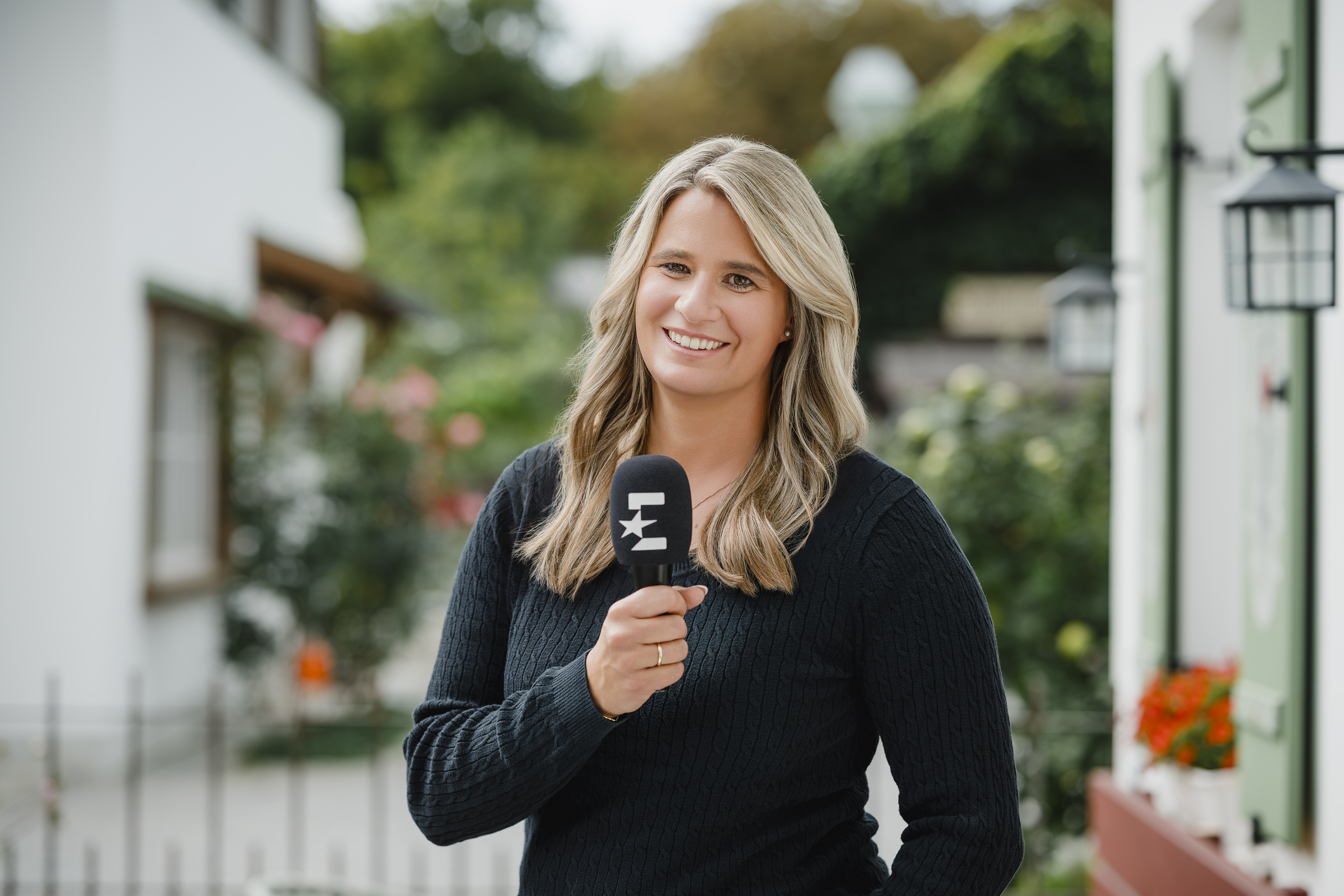
Natalie Geisenberger joins Eurosport's Olympic expert team
The six-time Olympic champion and German record-breaking athlete will be the voice of luge on TV: Natalie Geisenberger will be part of Warner Bros. Discovery's team of experts at the 2026 Winter Olympics in Milan Cortina. The most successful luger in history will analyze and commentate on the luge competitions for Eurosport, with the aim of making the technique, tactics, and fascination of her sport accessible to a wide audience. Geisenberger is part of a high-caliber WBD team, joining well-known experts such as Martin Schmitt and Viktoria Rebensburg, who will shape the Olympic broadcasts on Eurosport channels.
Erin Hamlin – Olympic experience at the microphone
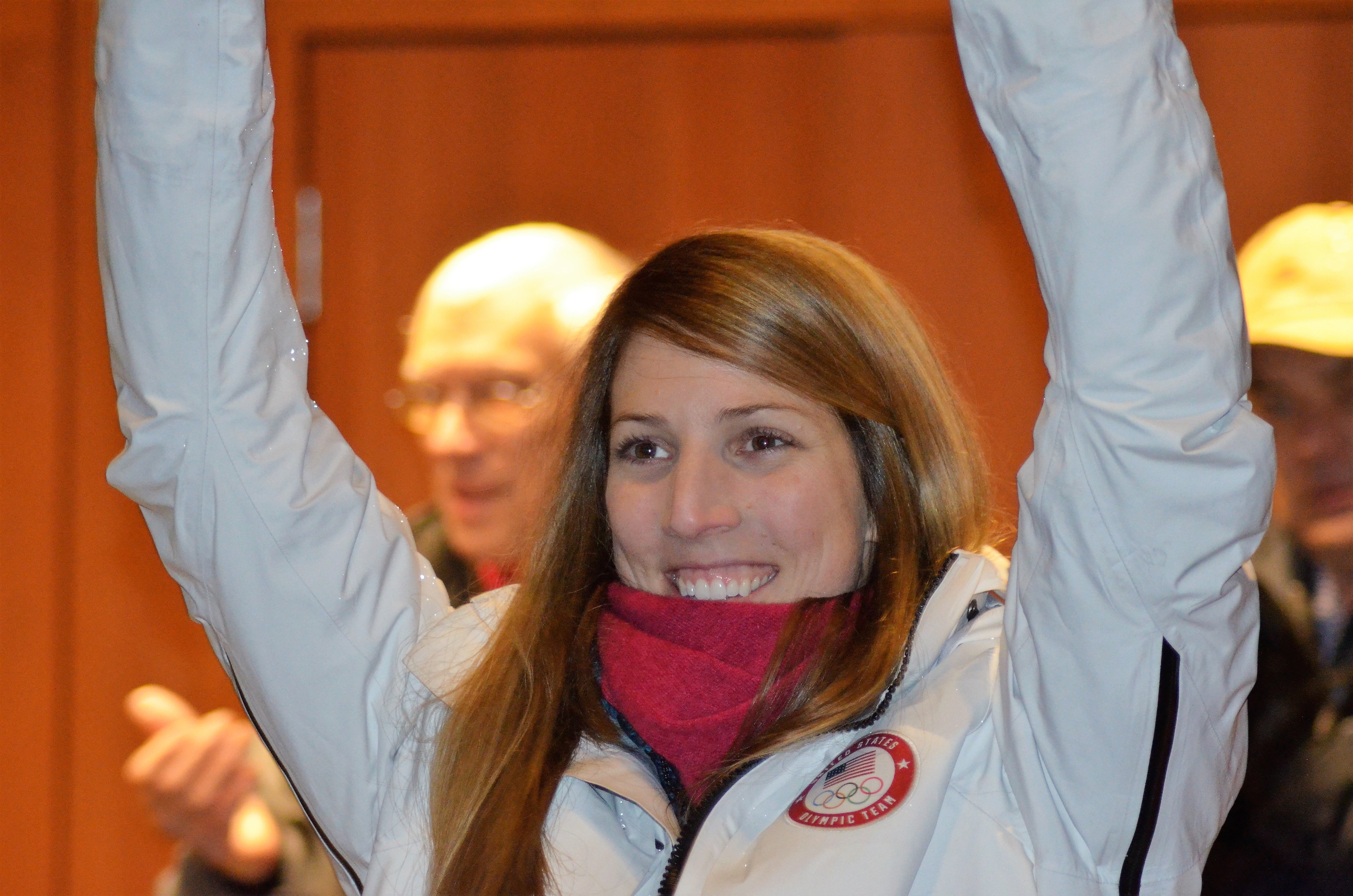
From the track to the TV studio: Erin Hamlin will be working as a TV analyst for NBC Olympics at the 2026 Winter Olympics in Milano Cortina. The former US luger brings an extraordinary Olympic perspective: debuting at the age of 19 in Turin in 2006, a difficult journey through Vancouver in 2010, and finally the historic moment in Sochi in 2014, when Hamlin won the first Olympic medal for US luge with bronze in the singles. After her last Olympic appearance in PyeongChang in 2018 and the end of her career, she now shares her experience, expertise, and the perspective of an athlete who has experienced all the ups and downs of the Olympic Games herself.
Kate Hansen, an US Luge Olympian at Sochi 2014 is TV analyst for OBS (Olympic Broadcast Service), the Host Broadcaster for the Olympic Games. Kate Hansen was the host of the FIL Studio Show on YouTube World Luge Channel and also worked for OBS at the Olympic Winter Games in Beijing 2022.
Alpini in action at the Olympic ice track
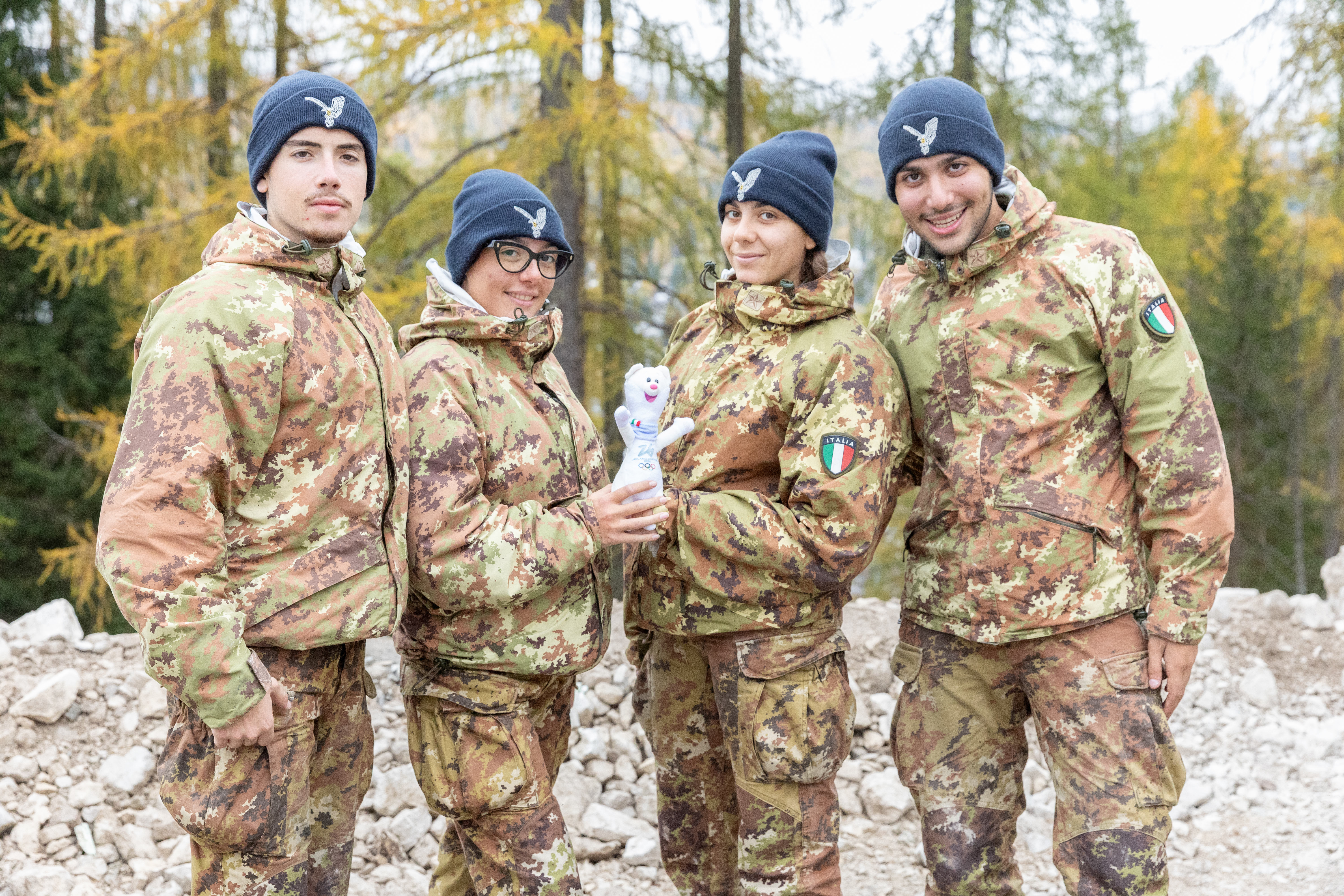
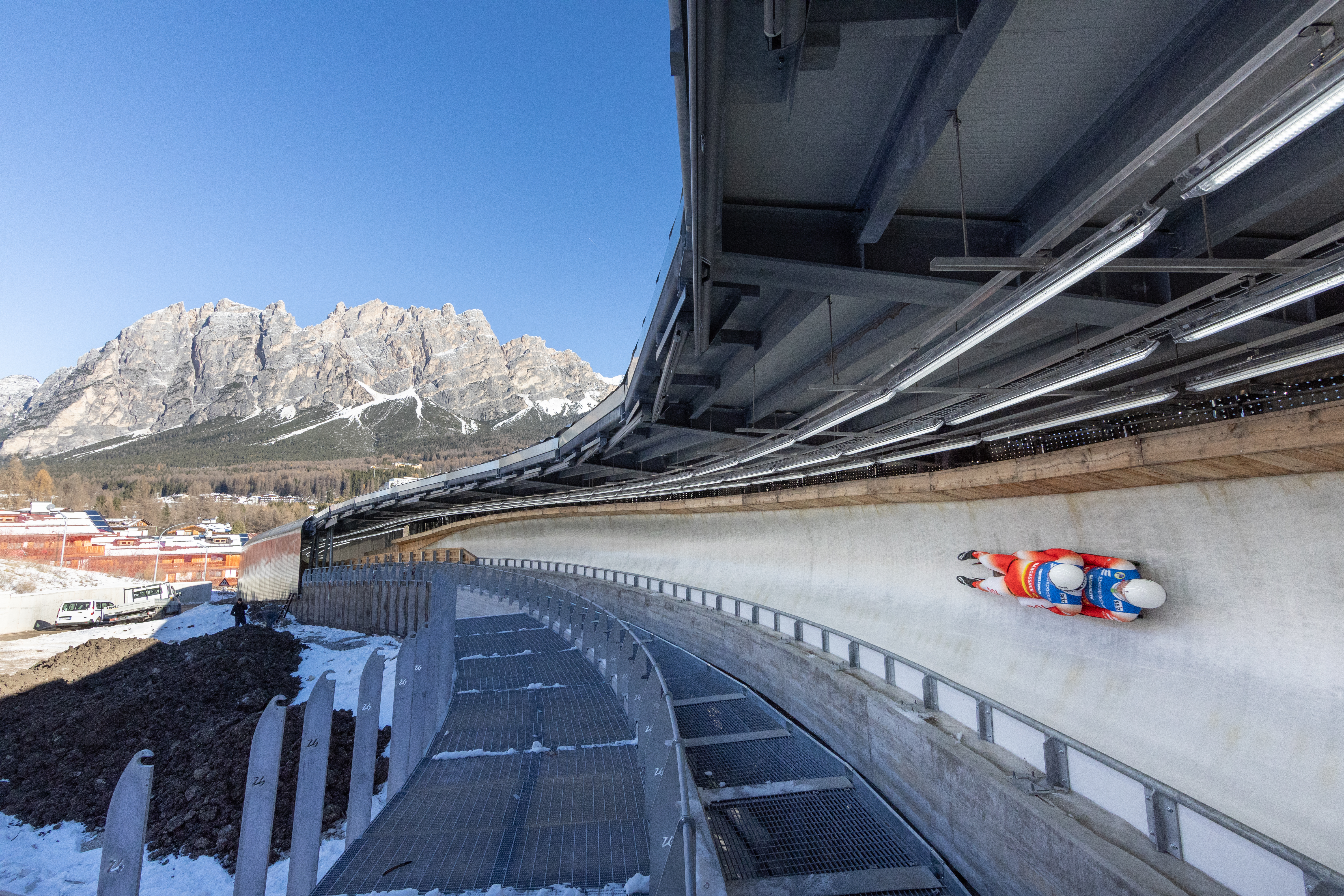
At the Olympic test event at the new Cortina Sliding Center, it wasn't just the athletes who gained valuable experience for the Milan Cortina 2026 Winter Olympics. Thirty soldiers from the Italian mountain infantry – the traditional Alpini – also prepared intensively for their Olympic deployment. With no prior knowledge of sledding, they were instructed step by step in procedures and safety tasks. Whether access controls, security in the finish area, deployment as “catchers” or opening and closing the sun sails in the curves: the young soldiers, mostly from the Apennines, are making a decisive contribution to the smooth running of the 1,749-meter-long ice track with long shifts and growing enthusiasm. The Alpini are on duty every day for long shifts during the Olympic luge competitions and training sessions at the Cortina Sliding Center.

International expertise in the luge jury: Professor Wu Dawei
With Wu Dawei, the luge competitions at the Milano Cortina 2026 Winter Olympics will have a proven expert on the jury. The professor at Harbin Sport University was instrumental in establishing the first Chinese national team, worked as a coach, and later as deputy sports manager and race director at the 2022 Beijing Olympics – and thus brings with him extensive operational Olympic experience. As a FIL jury member, Wu Dawei is responsible for start and finish processes, finish monitoring, and the touchpad in the team relay at test events and Olympic Games, among other things. His international career is exemplary for his professional competence and the global orientation of the sport of luge.
Tina and Milo: Mascots with a message
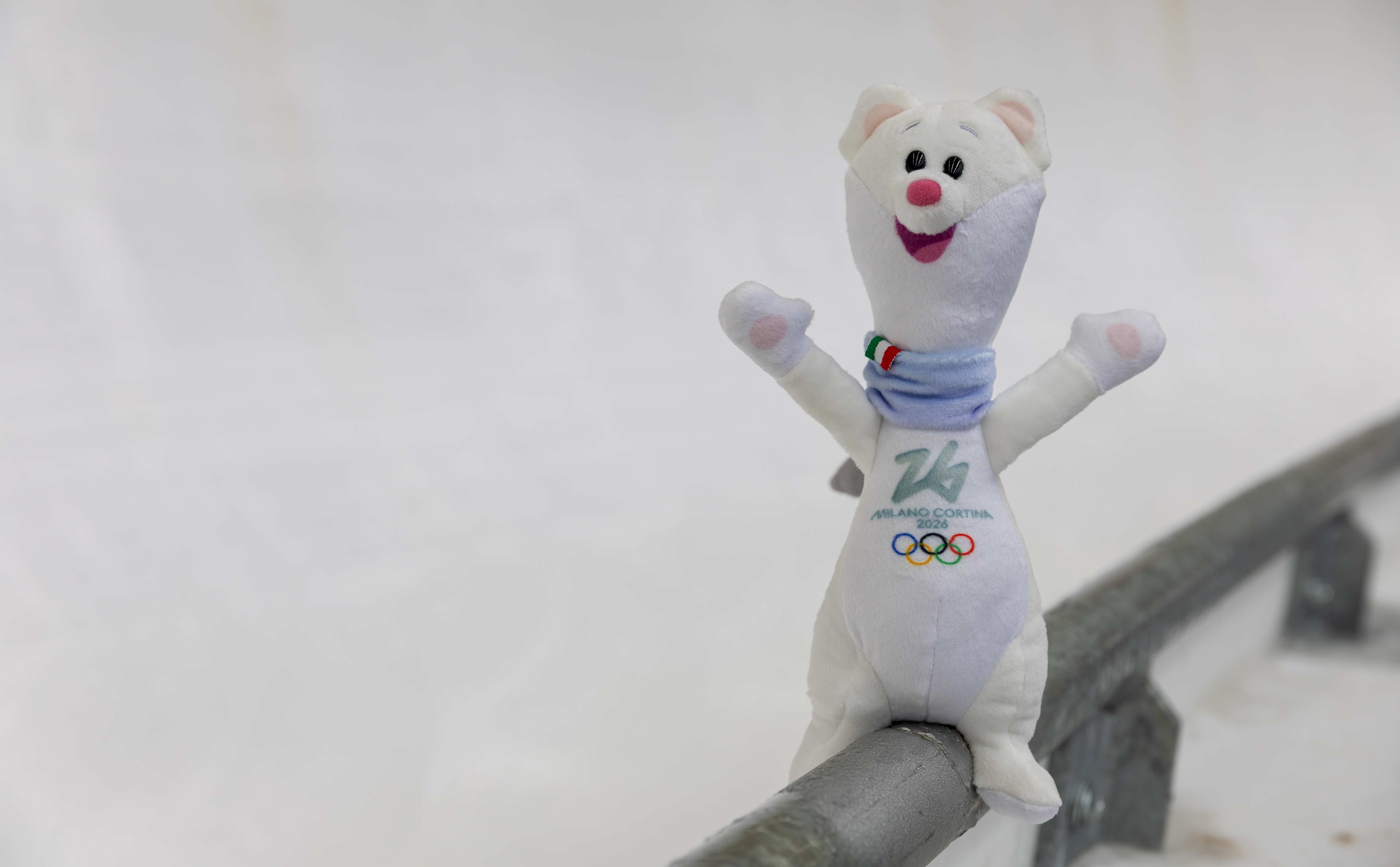
The Hermelin siblings Tina and Milo are two expressive mascots for the Milano Cortina 2026 Olympic and Paralympic Winter Games. Tina, with her lighter fur, represents the Olympic Games, while Milo, with his darker fur and missing paw, represents the Paralympic Games. Together, they embody openness, curiosity, and inclusion—reflecting the contemporary, lively, and dynamic Italian spirit. Their names were chosen deliberately: Milo is inspired by Milan, and Tina by Cortina d'Ampezzo.
Armin Zöggeler – The Legend of Luge
When talking about the greatest lugers of all time, one name inevitably comes up first: Armin Zöggeler. The Italian is not only the most successful Olympic luger of all time, but also a winter sports icon.
With a unique combination of precision, mental strength, and tactical flair, he dominated the ice track for over two decades. His sporting résumé reads like a chapter from a record book: six Olympic medals in six consecutive Winter Games – from Lillehammer in 1994 to Sochi in 2014.
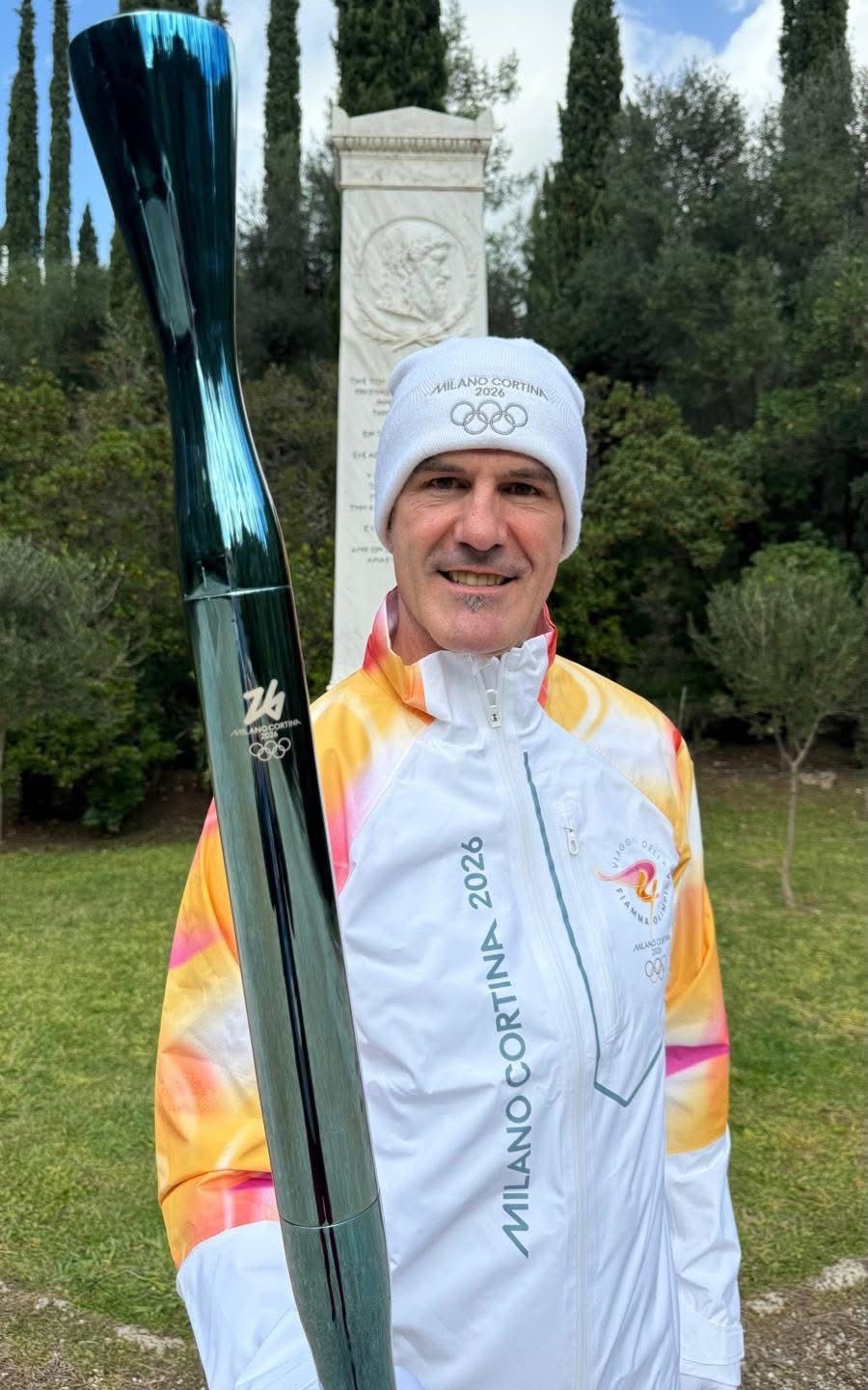
These include two gold medals (Salt Lake City 2002 and Turin 2006), one silver (Nagano 1998) and three bronze (1994, 2010, 2014). No other athlete, in either summer or winter sports, has ever managed to win an individual medal in the same discipline at six consecutive Olympic Games. The exceptional German luge athlete Georg Hackl came close. Hackl even won three Olympic gold medals in the singles (1992, 1994, and 1998), one more than Zöggeler. With Olympic silver medals in 1988 and 2002, Hackl has just one fewer medal than Zöggeler.
Zöggeler also set standards in the Overall World Cup: like his Austrian rival Markus Prock, he won the most important trophy in luge ten times. He celebrated his triumphs in the 1997/98, 1999/00, 2000/01, 2003/04 and from 2005/06 to the 2010/11 seasons – an era of dominance that made him the benchmark for future generations.
With 57 World Cup victories, Armin Zöggeler still tops the list of all-time winners. The German luger Felix Loch, who is still active, follows in second place with 52 World Cup victories. Zöggeler is nicknamed “The Cannibal” – a reference to his insatiable hunger for victory.
This ambition not only brought him Olympic success, but also countless World Cup and world championship titles. He is considered the epitome of consistency: in a sport where tiny mistakes can mean the difference between victory and defeat, he delivered almost flawless runs for decades.
With his successes, Zöggeler has also shaped Italy's Olympic medal tally in luge. With a total of 18 medals (7 gold, 4 silver, and 7 bronze), Italy ranks second in the all-time nation rankings behind Germany, which holds the top spot with 87 medals.
Today, Armin Zöggeler is much more than a former top athlete: he is a role model for generations of lugers, an ambassador for the sport, and proof that discipline, passion, and perseverance can lead to legendary status.
Curiosities:
The egg helmet
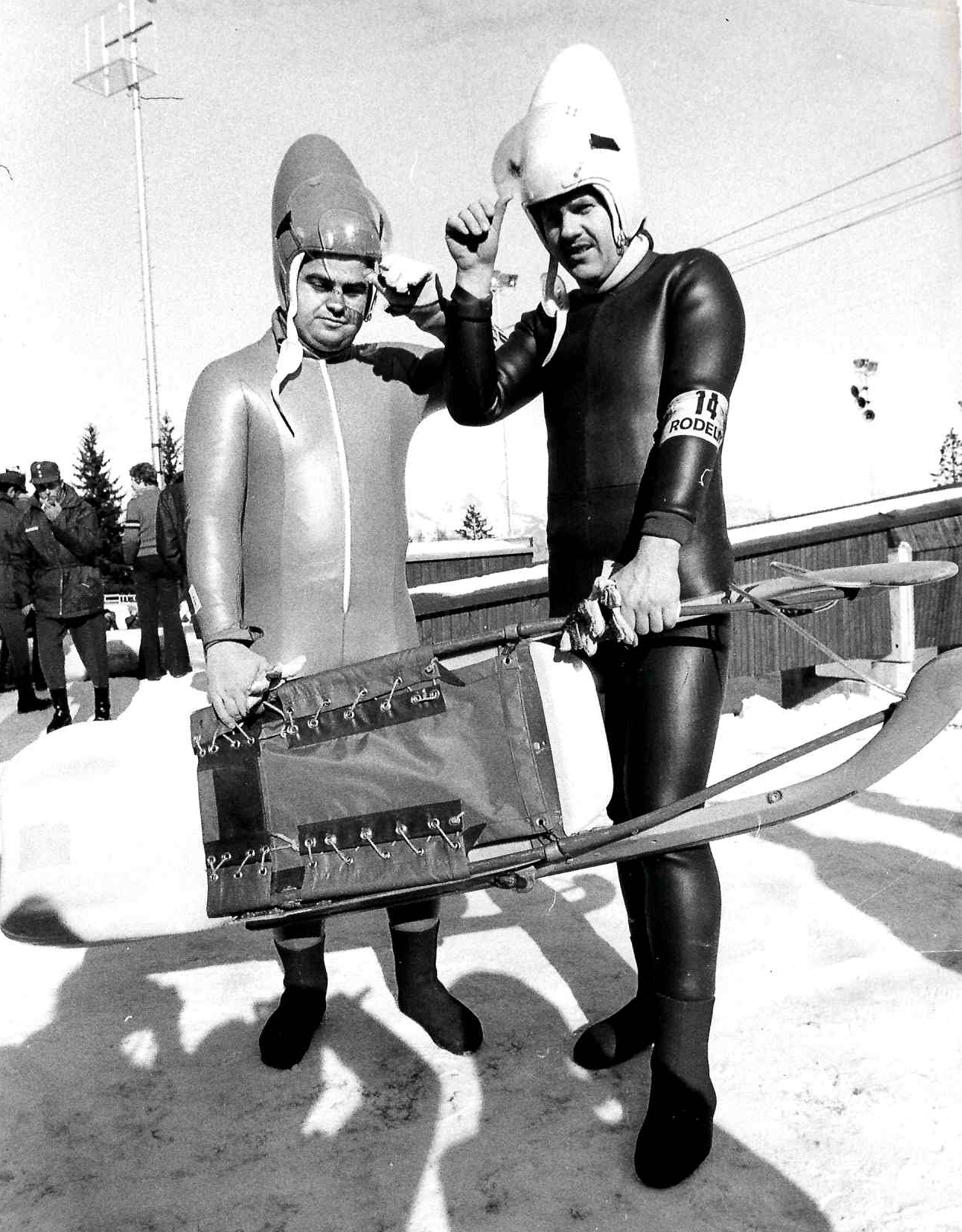
Because luge is such a close-run thing, times are always measured to the thousandth of a second. Because the gap between the athletes is so narrow, every little detail counts. This also applies to aerodynamics. In order to break the dominance of the East German sledders, the West German sledders competed at the 1976 Olympic Games in Innsbruck-Igls with a special helmet – the legendary egg helmet. The yellow and red egg helmets were developed in collaboration with an aerospace engineering company. They were tested in a wind tunnel and during night-time test runs. To ensure the psychological surprise effect was successful, none of the competitors were allowed to know about the development. “I drove at four o'clock in the morning so that no one could take a photo of this helmet. I'm still amazed that nothing was leaked to the public,” said Josef Fendt, delighted even years later. The Berchtesgaden native, who served as president of the International Luge Federation (FIL) from 1994 to 2020, won silver with his curious headgear, behind GDR luger Dettlef Günther. Fendt's teammate Elisabeth Demleitner took bronze behind GDR athletes Margit Schumann and Ute Rührold. Because the FIL felt that the interpretation of the rules went too far, it immediately banned the helmet.
The road luger
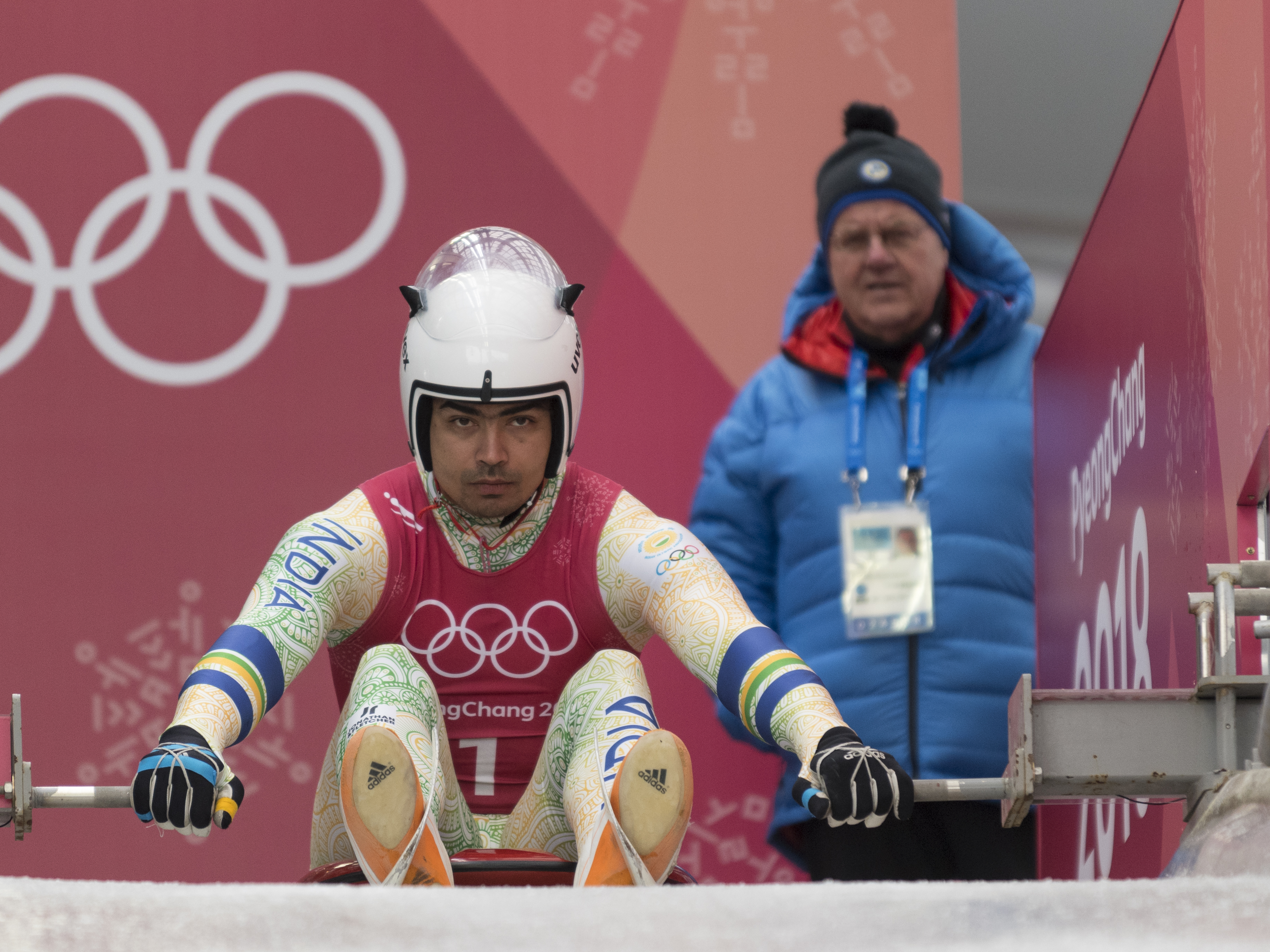
Even before Shiva Keshavan competed in the men's luge event at the 1998 Olympic Games in Nagano, he had already entered the record books. At 16, he was the youngest Olympic luger of all time. Five more appearances were to follow for the Indian. However, his debut did not get off to a good start. He had borrowed his sled from the Korean team, his shoes didn't fit properly and his jacket was clearly too big. But this did not bother the young man, who grew up in Manali, a town at the foot of the Himalayas. The son of an Italian mother and an Indian father was used to making compromises in order to pursue his sport. Because there is no ice track in India, Keshavan raced down busy roads on a converted sled with wheels at speeds of up to 100 kilometers per hour, slaloming around trucks, rickshaws, and herds of woolly mountain sheep. “Near misses are pretty much the norm in this sport,” Keshavan said at the end of his career, “but I trust my abilities and have never been injured.” He has won two gold medals, one silver and one bronze at the Asian Championships. His best finish was 25th place at the 2010 Olympic Games in Vancouver.

Olympic Luge Athletes’ Portraits
Jonas Müller And His Second Attempt
Dominik Fischnaller and the long road to Olympic dreams
Kristers Aparjods grew up on the ice track
More Athletes’ Portraits of Olympic Luge Athletes for Milano Cortina 2026 on International Luge Federation - FIL
History of the Olympic track at the Cortina Sliding Centre-
Tradition with breaks: The Olympic track in Cortina
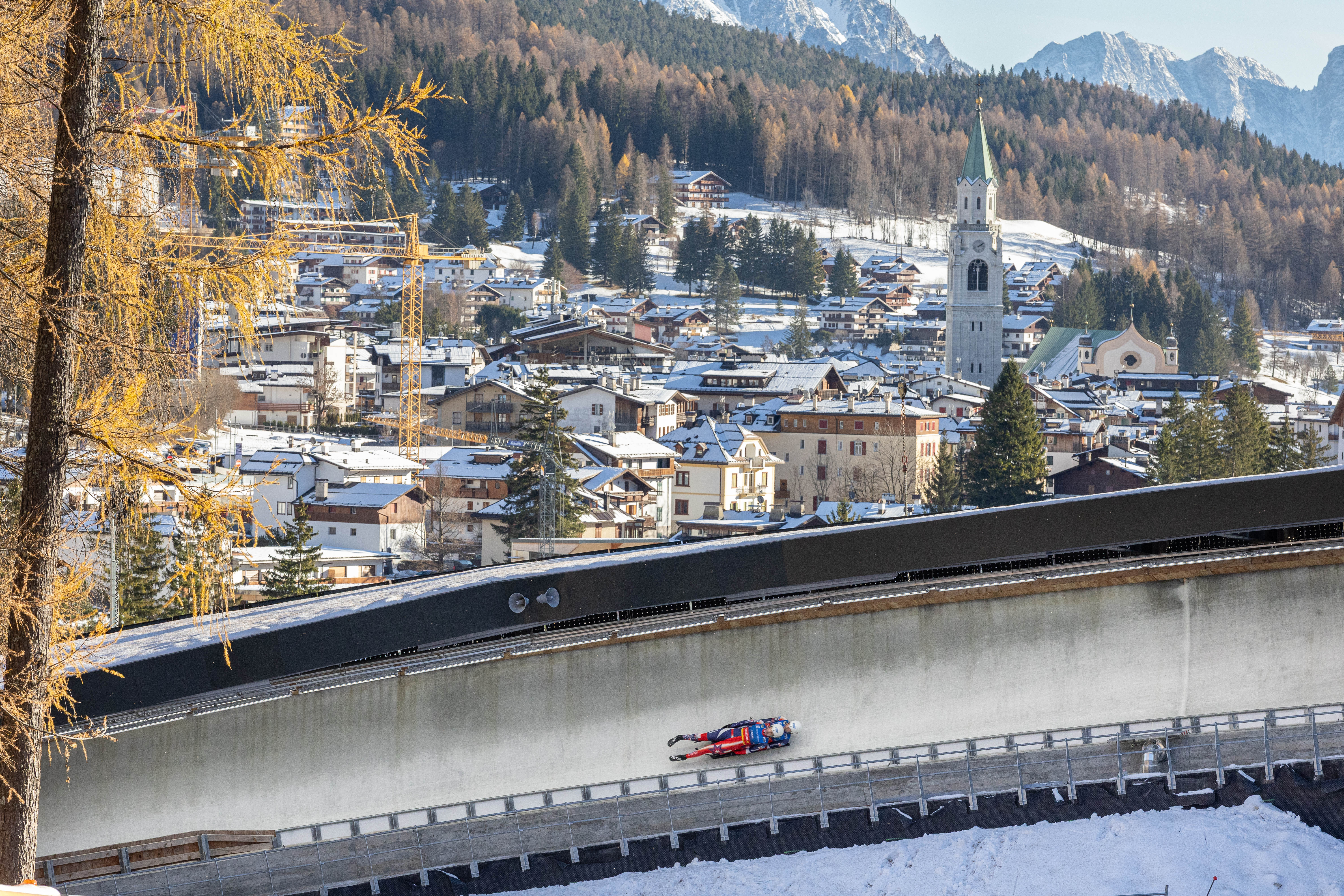
The Cortina Sliding Centre looks back on an eventful history. Bobsleighing began in Cortina d'Ampezzo as early as the winter of 1905/06 – initially on the snow-covered Dolomite road between Cortina and Pocol. In 1923, the first permanent track was built in Ronco, attracting international attention with its innovative icing technology. In the following decades, the track was expanded and modernized several times and hosted world championships in bobsleighing.
A highlight of its early history was the 1956 Winter Olympics in Cortina d'Ampezzo, when the track hosted Olympic competitions for the first time and put Cortina firmly on the map of international ice channel sports.
At the same time, the history of the track is also marked by tragic accidents, which contributed significantly to the further development of safety standards in ice channel sports. After serious accidents in 1939, 1966, and 1981, Cortina temporarily lost its international role before financial problems finally led to the closure of the facility in 2008.
With the construction of the new sliding center for the 2026 Winter Olympics, Cortina is now continuing its long tradition – and at the same time opening a new chapter that combines modern safety concepts with historical significance.
Technical Data – Cortina Sliding Centre (CSC)
Men’s Singles: Women’s Singles, Women’s &
Men’s Doubles, Team Relay
Length: 1.445 m Race Track/ Length: 1.410,25
Start Sea Level: 1.321 m Start Sea Level: 1.308
Finish Sea Level: 1.254,56 m Finish Sea Level: 1.254,56 m
Lowest Point: 1.213,78 m Lowest Point: 1.213,78 m
Max. Gradient: 18 % Max. Gradient: 18 %
Elevation Difference: 107 m Elevation Difference: 95 m
Number of Curves: 16 Number of Curves: 14
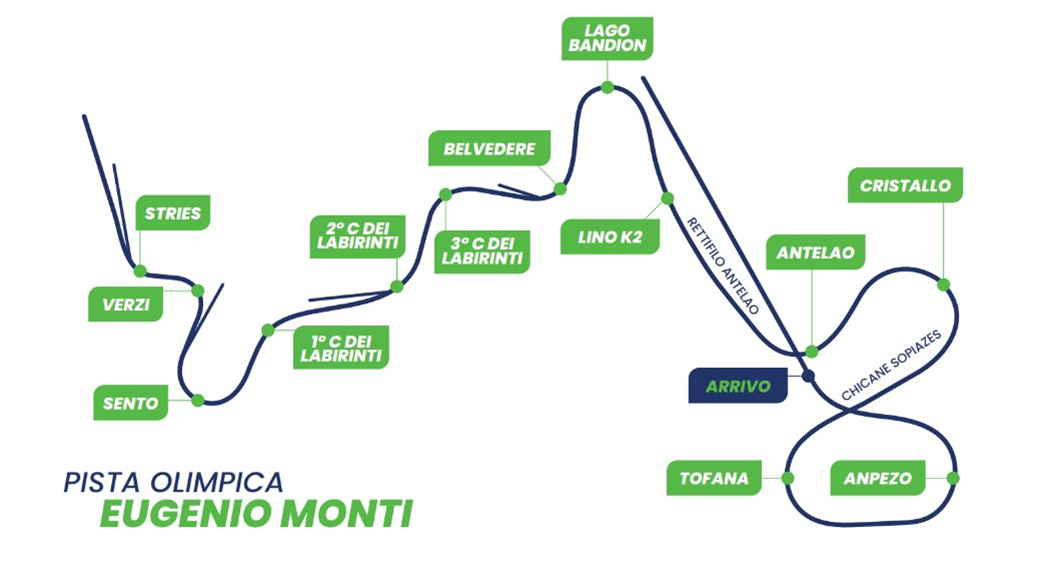
Each section of the track has been carefully named with deep reference to local history, dialect, and geography:
- Stries curve: A curve from the old track that has been reinstated. “Stries” refers to an area above the track with the small lake Lago delle Stries. In the local dialect, ‘Stries’ means “witches.”
- Verzi curve: Named after the Verzi family, who donated the land for this curve when the Olympic cable car was built in 1956.
- Sento curve: The name is derived from the Ampezzo dialect word “scènto,” which means “woodpile.” It is believed that before the cable car was built, there was a meadow here for storing firewood.
- Labirinti curves (3 curves, labirinti uno, due, tre): Three closely following curves, traditionally called “labyrinths” – a name taken from the old track.
- Belvedere curve: The name means “beautiful view” – here you can enjoy a panoramic view of the Ampezzo Valley.
- Lago Bandion curve: As with the Stries curve, the name refers to a place with a small lake below the curve.
- Lino K2 curve: Dedicated to the famous mountaineer who was the first to climb K2 (8,611 m). His house is located directly behind this curve.
- Straight Antelao / Antelao curve: These sections of the track are named after Monte Antelao, which is clearly visible from here.
- Cristallo curve: Named after Monte Cristallo, which rises behind the curve and is clearly visible from there.
- Sopiazes chicane: A small chicane after the Cristallo curve with a view of the tennis courts in the village of Sopiazes.
- Tofana curve: In memory of the Tofana curve at the start of the 1956 track, with a view of the mountain range of the same name.
- Anpezo curve: Named after the view of the valley and the center of Cortina, which is called “Anpezo” in Ladin.
- Arrivo curve: The finish curve traditionally takes the name of the last curve of the old track.
Olympic Luge Schedule
Venue: Cortina Sliding Centre
Friday, 6 February
20:00 – Opening Ceremony Milan
Saturday, 7 February
17:00 – Men’s Singles | Run 1
18:32 – Men’s Singles | Run 2
Sunday, 8 February
17:00 – Men’s Singles | Run 3
18:34 – Men’s Singles | Run 4
Monday, 9 February
17:00 – Women’s Singles | Run 1
18:35 – Women’s Singles | Run 2
Tuesday, 10 February
17:00 – Women’s Singles | Run 3
18:34 – Women’s Singles | Run 4
Wednesday, 11 February
17:00 – Women’s Doubles | Run 1
17:51 – Men’s Doubles | Run 1
18:53 – Women’s Doubles | Run 2
19:44 – Men’s Doubles | Run 2
Thursday, 12 February
18:30 – Team Relay
Subject to change!
Watch the Olympic Games Milano Cortina 2026 live:
https://www.olympics.com/en/milano-cortina-2026/where-to-watch-olympic-games-live